



The Ultimate Guide to Kibbe Body Types and What They Mean
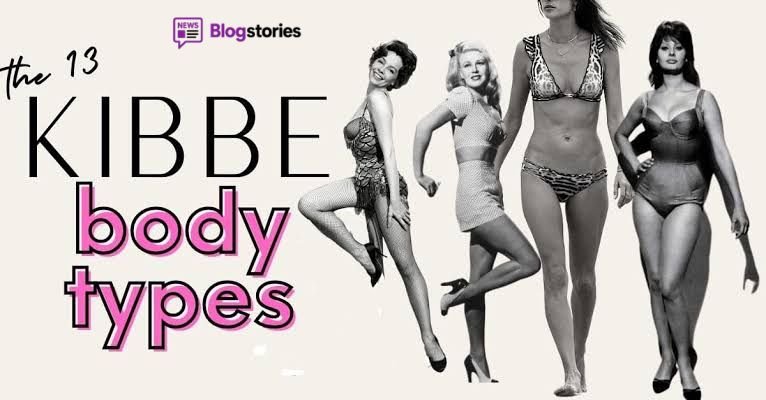
Understanding your body goes far beyond simple measurements or fruit-shaped labels. The Kibbe body types system offers a refreshing approach that considers your unique bone structure, flesh distribution, facial features, and overall essence. Created by image consultant David Kibbe in the 1980s, this framework helps people dress in ways that feel harmonious and natural rather than forced. Many who discover their Kibbe type describe it as a turning point in how they shop, style themselves, and feel confident every day.
This guide explores the foundations of the system, breaks down each type in detail, and shares practical insights so you can begin applying the ideas right away. Whether you are just curious or ready to revamp your wardrobe, you will find clear explanations grounded in the original philosophy.
BIO
| Label | Information |
|---|---|
| Creator | David Kibbe |
| Year Introduced | 1987 |
| Main Book | Metamorphosis |
| Core Concept | Yin and Yang balance |
| Total Types | 13 |
| Main Families | 5 (Dramatic, Natural, Classic, Gamine, Romantic) |
| Focus | Bone structure, flesh, facial features |
| Goal | Find harmonious clothing lines |
| Key Difference | Essence over measurements |
| Height Influence | Secondary factor |
| Best For | Personalized style and confidence |
| Common Misconception | It’s not about weight or body shape |
| Modern Use | Wardrobe building and self-discovery |
The Origins and Philosophy Behind Kibbe Body Types
David Kibbe developed his system while working as an image consultant in New York. His 1987 book Metamorphosis introduced a new way of thinking about personal style. Instead of forcing everyone into the same trends, Kibbe encouraged people to work with their natural lines and energy.
At its core, the system revolves around the balance of yin and yang. Yin represents softness, curves, and rounded features. Yang brings sharpness, structure, and angularity. Most people sit somewhere along a spectrum rather than at the extremes. This combination creates thirteen distinct image identities, often grouped into five families.
What sets Kibbe body types apart is the emphasis on harmony. The goal is not to change your body but to choose clothing that follows your natural silhouette. When the lines, fabrics, and details match your essence, outfits look effortless and polished. This approach has gained fresh attention in recent years as more people seek authentic personal style over fleeting fashion rules.
The Five Main Kibbe Families
The thirteen types fall into five broader families: Dramatic, Natural, Classic, Gamine, and Romantic. Each family shares a dominant energy while the subtypes add layers of yin or yang influence.
Dramatics lean strongly toward yang with long, sharp lines. Naturals show a more relaxed, broad yang presence. Classics strive for balance and symmetry. Gamines combine sharp yang with petite yin for a lively contrast. Romantics embody lush yin with soft, curved forms.
Height can offer clues but does not determine your type. A tall person might belong to a yin-leaning family, while someone petite could lean yang. The real indicators come from bone structure, flesh quality, and facial features working together.
Dramatic: Bold Vertical Lines
Dramatics represent pure sharp yang. They tend to have long, narrow bones with angular shoulders, elongated limbs, and prominent facial features like high cheekbones and a strong jaw. Their flesh is usually taut and lean, creating a straight, commanding silhouette.
People with this type often appear striking and powerful. They carry a cool, charismatic presence that turns heads. Celebrities who exemplify this energy include types with statuesque frames and chiseled features.
For styling, Dramatics shine in sleek, tailored pieces with strong vertical lines. Think long coats, straight pants, and structured fabrics that maintain clean geometry. Avoid overly soft or frilly details that can disrupt their strong presence. Monochromatic looks and sharp shoulders enhance their natural authority.
Soft Dramatic: Exotic and Sensual
Soft Dramatics combine sharp yang bones with lush yin flesh and facial features. They maintain impressive verticality but add curves and softness, especially through the bust and hips. This creates an exotic, glamorous impression with a touch of romantic allure.
Their faces often feature large eyes and full lips alongside strong bone structure. The overall vibe feels bold yet inviting. Many Soft Dramatics have a theatrical quality that works beautifully with dramatic draping and luxurious textures.
Recommended styles include fluid fabrics that skim the body, wide necklines, and pieces with soft edges. They benefit from waist emphasis paired with long, flowing lines. Heavy, rich materials like silk or velvet complement their sensual essence.
Flamboyant Natural: Free-Spirited and Broad
Within the Natural family, Flamboyant Naturals bring extra yang through width and a blunt, muscular quality. They possess broad shoulders, strong bones, and a relaxed but powerful frame. Their movement often looks athletic and unconstrained.
These individuals project a fresh, open spirit. Their features tend to be broad with blunt edges rather than sharp points. They look most harmonious in clothes that allow freedom and celebrate natural width.
Styling favors relaxed, unstructured pieces with bold details. Oversized shirts, wide-leg pants, and chunky knits work well. They can handle asymmetry and creative layering better than more structured types. Soft edges and flowing fabrics balance their strong horizontal presence.
Natural: Relaxed and Approachable
Pure Naturals sit comfortably in soft yang energy. Their bone structure shows moderate width with blunt angles, and their flesh has a slightly muscular yet easy quality. They often appear friendly and approachable with open facial features.
This type benefits from clothing that feels casual yet intentional. Simple lines, natural fabrics like linen or cotton, and slightly oversized fits honor their relaxed essence. They avoid anything too fussy or overly tailored, which can feel restrictive.
Soft Natural: Gentle Width and Curves
Soft Naturals add yin softness to the Natural base. They keep some width but introduce more curve through the waist and flesh. Their features appear rounded and inviting, creating a warm, approachable beauty.
Styling for Soft Naturals includes soft, flowing garments with light structure. Waist definition helps highlight their gentle curves while avoiding anything too severe or boxy. Delicate details and lightweight fabrics enhance their natural charm.
Dramatic Classic: Balanced with Sharp Edge
Dramatic Classics blend symmetry with a touch of yang sharpness. They have balanced proportions but slightly more definition in bones and features. This creates a refined, polished appearance with subtle drama.
Their style thrives on clean tailoring and moderate structure. Symmetrical outfits with precise details suit them best. They look elegant in straight lines that maintain balance without excess ornamentation.
Classic: Timeless Symmetry
Classics represent the pure balance of yin and yang. Even proportions, moderate bone structure, and symmetrical facial features define them. They often have a refined, harmonious look that feels effortlessly put-together.
Traditional tailored clothing works exceptionally well. They excel in classic silhouettes like sheath dresses, well-fitted blazers, and balanced accessories. Subtle elegance rather than bold statements matches their essence.
Soft Classic: Softened Balance
Soft Classics introduce more yin through rounded flesh and gentler features while keeping overall balance. They appear softer and more approachable than pure Classics, with delicate curves.
Styling emphasizes soft tailoring and slight waist emphasis. Fabrics with gentle drape and subtle details flatter their frame. They avoid extreme sharpness or overwhelming volume.
Flamboyant Gamine: Playful Contrast
Flamboyant Gamines combine sharp yang bones with yin features in a dramatic way. Petite or moderate height often pairs with angular structure and lively facial expressions. Their look feels bold and mischievous.
They benefit from broken, asymmetrical lines and mix of opposites. Short jackets with wide pants, bold prints, and creative combinations capture their energetic spirit. They handle contrast better than most types.
Gamine: Compact and Chic
Pure Gamines show a strong mixture of yin and yang in petite packages. Sharp features meet delicate bone structure, creating a youthful, witty impression. Their style often feels crisp and modern.
Best looks include tailored separates, cropped tops, and structured pieces with clean edges. They shine when mixing masculine and feminine elements in fresh ways.
Soft Gamine: Sweet and Spirited
Soft Gamines add more yin softness to the Gamine frame. Rounded features and gentle curves balance their angular bones. This creates an adorable yet sharp presence.
Styling includes soft edges with some structure, delicate fabrics, and slight ornamentation. They look charming in pieces that highlight their petite scale and playful energy.
Theatrical Romantic: Dramatic Softness
Theatrical Romantics blend lush yin with a touch of yang drama. They have soft, curvy bodies with slightly more definition in bones or features. Their essence feels intensely feminine and captivating.
Flowing, ornate styles with waist emphasis and rich details suit them beautifully. Romantic fabrics like chiffon and velvet enhance their sensual, theatrical quality.
Romantic: Pure Lush Yin
Romantics embody the softest yin energy. Round, delicate bones, lush curves, and soft facial features create a deeply feminine, hourglass silhouette. Their presence feels warm and inviting.
They thrive in soft, draped clothing with intricate details and curve emphasis. Anything too structured or severe can overwhelm their gentle essence. Flowing lines and luxurious textures celebrate their natural beauty.
How to Identify Your Own Kibbe Body Type
Determining your type requires honest observation rather than wishful thinking. Start by examining your bone structure in photos or a mirror. Notice shoulder width, limb length, and overall verticality or width.
Next, assess flesh distribution. Does it sit softly with curves or remain taut and straight? Finally, study facial features for sharpness versus softness.
Many people use a questionnaire that scores answers across these categories. Look at multiple photos from different life stages, as weight fluctuations can mask natural lines. Some individuals feel confident after self-analysis, while others benefit from professional input or community feedback.
Remember that exact matches are rare. Most people have a primary type with secondary influences. The goal is finding the family and subtype that feels most harmonious overall.
Practical Styling Principles for All Kibbe Body Types
Once you know your type, focus on three key elements: line, scale, and contrast. Dramatics need long vertical lines. Naturals require relaxed width. Classics demand symmetry. Gamines benefit from broken lines. Romantics flourish with soft curves.
Fabric choice matters enormously. Structured materials support yang types while drapey ones honor yin. Scale of details should match your bone size—petite types need smaller accessories while broader frames carry bolder pieces.
Color and pattern can further enhance your essence. High contrast often suits yang-leaning types, while blended palettes feel more natural for yin influences. Experimentation remains part of the process.
Common Challenges and How to Overcome Them
Many newcomers struggle with typing because of societal beauty standards or past dieting experiences. Others worry about being “boxed in.” The system actually frees you by removing the pressure to chase every trend.
Weight changes do not alter your fundamental type, though they may affect how flesh presents. Focus on bone structure and facial features as the most stable indicators. Age also brings natural softening that can be accommodated with slight adjustments to styling.
Avoid comparing yourself too harshly to celebrities. Your unique combination makes your expression of the type one-of-a-kind.
Embracing Your Kibbe Body Type
Learning about Kibbe body types often feels like coming home to yourself. Instead of fighting your natural lines, you begin celebrating them. Wardrobes become more functional and joyful. Compliments increase because clothes finally fit your essence rather than just your measurements.
Take time to observe, experiment, and refine. Many people keep a style journal or mood board during the discovery phase. Over months, your confidence in choosing pieces grows naturally.
The true gift of this system lies in its permission to be yourself. Whether you lean dramatic and powerful or romantic and soft, your type holds beauty and strength worth honoring.
Start small. Pull out photos of outfits that always made you feel amazing and analyze what lines they followed. Compare them against the principles here. With patience and curiosity, you will develop a personal style that feels authentic and effortless every single day.
This knowledge has helped countless individuals move beyond frustration with fashion and into genuine self-expression. Your journey with Kibbe body types can do the same.
FAQs
What exactly are Kibbe body types?
Kibbe body types are a style system developed by David Kibbe that classifies your image identity based on the balance of yin and yang in your bone structure, flesh, and facial features. Unlike traditional body shapes, it focuses on your natural lines and personal essence to guide flattering clothing choices.
Can my Kibbe body type change over time?
Your core Kibbe type remains consistent because it is rooted in your bone structure and natural proportions. However, weight fluctuations, aging, or fitness changes can affect how your flesh presents, so you may need minor styling adjustments while staying within your type.
How do I determine my Kibbe body type accurately?
Take time to study your bone structure, flesh quality, and facial features through photos taken in natural light. Answer questions about verticality, width, and softness, then compare yourself to the thirteen types. Many people refine their typing after experimenting with recommended clothing lines.
Which Kibbe body type is the best?
There is no best Kibbe body type—each one has its own unique beauty and strengths. The system celebrates individuality rather than ranking. The right type for you is simply the one that creates harmony with your natural features and makes dressing feel effortless.
Do I need to follow Kibbe rules strictly for good style?
Not at all. The Kibbe system serves as a helpful guide, not rigid rules. Use it as a foundation to understand what works for your body, then add your personal taste. Many people blend elements successfully once they understand their dominant lines.