





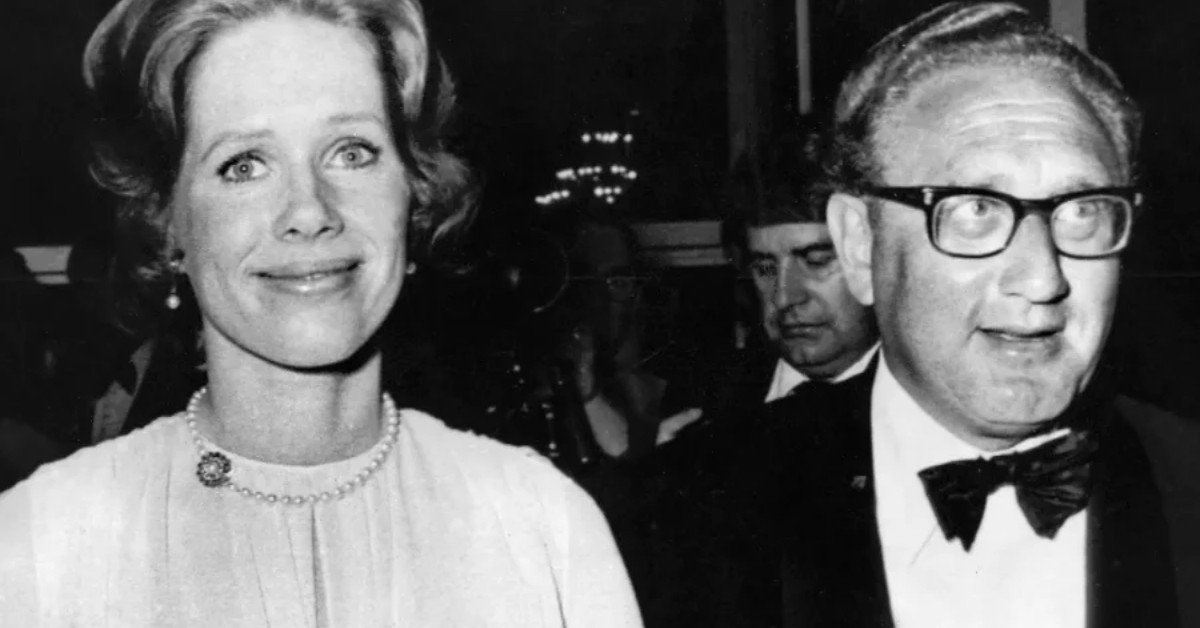
Ann Fleischer: The Story Behind Her Lasting Impact
Introduction
Ann Fleischer is best known as the first wife of Henry Kissinger, one of the most influential and controversial diplomats of the twentieth century. Yet her story deserves more than a passing mention in someone else’s biography. She lived through a period of deep upheaval, crossed cultures, built a family, and chose privacy while standing close to public power.
Her lasting impact is not measured by speeches, political office, or public fame. Instead, it can be understood through resilience, family influence, and the quiet strength often carried by people whose lives touch history without becoming the center of it.
BIO
| Label | Information |
|---|---|
| Full Name | Ann Fleischer |
| Also Known As | Anneliese Fleischer |
| Birthplace | Fürth, Germany |
| Nationality | German-born, later American resident |
| Known For | First wife of Henry Kissinger |
| Marriage Year | 1949 |
| Divorce Year | 1964 |
| Spouse | Henry Kissinger (former husband) |
| Children | Elizabeth Kissinger, David Kissinger |
| Background | German-Jewish refugee era |
| Public Role | Private individual |
| Legacy | Quiet influence and family role |
Who Was Ann Fleischer?
Ann Fleischer, also known as Anneliese Fleischer, was born in Fürth, Germany. She later became connected to a much larger historical narrative through her marriage to Henry Kissinger, who was also born in Fürth and whose family fled Nazi persecution before settling in the United States.
Ann married Henry Kissinger in 1949. Their marriage lasted until 1964, and they had two children together, Elizabeth and David. These are among the most consistently documented facts about her life.
Although her name appears in biographies and historical references about Kissinger, Ann herself remained a private person. That privacy is one reason her story is often brief, scattered, and overshadowed by the public career of her former husband.
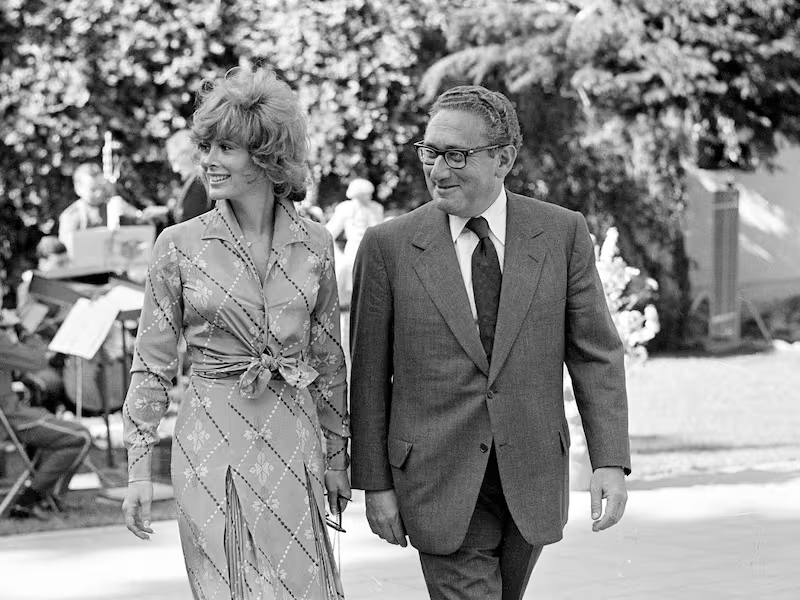
A Life Shaped by History
To understand Ann Fleischer, it is important to understand the world she came from. Germany in the 1920s and 1930s was marked by political instability, rising antisemitism, and eventually the brutal rule of the Nazi regime.
Henry Kissinger’s family fled Germany in 1938 to escape Nazi persecution. This historical background matters because Ann’s life was also shaped by the experience of displacement, identity, and adaptation.
For Jewish families who left Germany during that era, survival often meant starting over in an unfamiliar country. It meant learning a new language, rebuilding social ties, and carrying memories of a homeland that had become unsafe. Ann’s story belongs to that wider human experience.
Marriage to Henry Kissinger
Ann Fleischer married Henry Kissinger on February 6, 1949. At the time, Kissinger was still building his academic life. He went on to study at Harvard, earn advanced degrees, teach, and later become a major figure in American foreign policy.
Their marriage covered an important period in Kissinger’s early development. Before he became national security adviser, secretary of state, and Nobel Peace Prize recipient, he was a young scholar building his intellectual foundation.
Ann was part of that early chapter. While there is little public evidence that she played a direct role in policy or diplomacy, her presence belonged to the personal world behind Kissinger’s professional rise.
Family and Children
Ann Fleischer and Henry Kissinger had two children: Elizabeth Kissinger and David Kissinger. Their son David later became known in the media and entertainment world, including work connected to television production.
Family life during Kissinger’s academic rise would not have been separate from ambition, pressure, and change. The household of a driven scholar is often shaped by long hours, professional uncertainty, and intellectual intensity.
Ann’s role as a mother and partner during those years forms a meaningful part of her legacy. Public history often remembers the person who enters government or appears in headlines. Private history remembers the people who helped hold life together during the climb.
A Quiet Kind of Influence
Ann Fleischer’s influence was not the kind usually recorded in official archives. She did not become a public diplomat, political commentator, or media figure. Her impact appears quieter and more personal.
That does not make it unimportant. Many lives connected to history are shaped by unseen emotional labor, family responsibility, and private sacrifice. Ann’s story reminds us that public achievement often exists beside private support.
Her marriage to Kissinger occurred before the peak of his fame. She knew him before global power surrounded his name. That early connection gives her a distinct place in the human side of his biography.
Divorce and Privacy
Ann Fleischer and Henry Kissinger divorced in 1964. Kissinger later married Nancy Maginnes in 1974. After the divorce, Ann did not appear to seek public attention or build a reputation around her connection to Kissinger.
This choice matters. In a culture that often rewards visibility, Ann’s privacy can look almost unusual. She did not turn proximity to fame into a public identity.
Her decision to remain out of the spotlight gives her story a certain dignity. It also makes writing about her more difficult, because responsible writing must respect what is known and avoid filling gaps with fiction.
Why Her Story Still Matters
Ann Fleischer’s story matters because it reflects the lives of many women whose names appear briefly in the margins of powerful men’s biographies. They are often described only as wives, mothers, or former spouses, while their own experiences are left unexplored.
But Ann’s life touched several important themes: immigration, survival, family, adaptation, and privacy. She lived through a century shaped by war, displacement, Cold War politics, and changing expectations for women.
Her lasting impact is not about public recognition. It is about the reminder that history is built not only by famous decision-makers, but also by the people who share their early burdens, raise families, and live through the same turbulent times.
Ann Fleischer and Resilience
Resilience is one of the clearest themes connected to Ann Fleischer. Coming from Germany during a time of enormous danger and uncertainty required courage and endurance.
Immigrant lives are often marked by quiet resilience. There is the pain of leaving behind familiar places. There is the pressure to adjust. There is the challenge of building identity in a new country while carrying memories of the old one.
Ann’s life represents this kind of resilience. She was not simply “Kissinger’s first wife.” She was part of a generation shaped by loss, movement, and rebuilding.
Life Near Public Power
Being close to public power can be complicated. It may bring recognition, but it can also bring scrutiny, pressure, and personal strain.
Ann Fleischer’s marriage to Kissinger took place before he became one of the most famous diplomats in the world. Still, those early academic and professional years were the foundation of what came later.
Her life shows the private side of public ambition. Before history records titles and achievements, there are ordinary years of study, work, parenting, financial decisions, and emotional adjustment.
A Legacy Beyond Fame
Ann Fleischer’s legacy is not loud, but it is meaningful. She represents a kind of influence that is easy to overlook because it does not announce itself.
Her legacy can be seen in three ways. First, through her place in the personal history of Henry Kissinger’s early life. Second, through her role as the mother of their children. Third, through the broader story of immigrant women who rebuilt their lives after Europe’s darkest years.
This kind of legacy is not built through headlines. It is built through endurance, relationships, and the choices people make when they are not being watched.
What We Can Learn from Ann Fleischer
Ann Fleischer’s story teaches that not every important life is a public life. Some people leave an impact through steadiness, privacy, and personal strength.
Her life also reminds readers to look carefully at the people behind famous names. Public figures rarely rise in isolation. Their lives are shaped by families, partners, communities, and early relationships.
Most importantly, Ann’s story encourages a more human way of reading history. It asks us to value quiet lives, especially when those lives were shaped by hardship and change.
Public Memory
Public memory can be selective. It tends to preserve leaders, speeches, wars, elections, and diplomatic breakthroughs. It often leaves out the private people connected to those events.
Ann Fleischer remains a relatively private figure in the public record. That limited visibility should not be mistaken for a lack of importance. It simply means her story must be told with care.
A fair account of Ann Fleischer does not exaggerate her role. It recognizes her place honestly: a German-born woman, Henry Kissinger’s first wife, the mother of his children, and a person whose life reflected resilience and privacy.
Conclusion
Ann Fleischer may not be a household name, but her story carries quiet weight. She lived through historic upheaval, became part of Henry Kissinger’s early personal life, raised a family, and later chose a private path.
Her lasting impact lies in the human details often left outside major biographies. She reminds us that history is not only shaped in government offices or diplomatic meetings. It is also shaped in homes, marriages, families, and private acts of endurance.
Ann Fleischer’s story is ultimately one of resilience, dignity, and quiet influence. That is why her name continues to invite curiosity, and why her life deserves to be remembered with care.
Frequently Asked Questions (FAQs)
Who is Ann Fleischer?
Ann Fleischer, also known as Anneliese Fleischer, is best known as the first wife of Henry Kissinger. She was born in Germany and later became part of the broader story surrounding Kissinger’s early life and career.
What is Ann Fleischer known for?
She is primarily known for her marriage to Henry Kissinger and her role during his early academic years. Despite this connection, she maintained a private life and stayed away from public attention.
Did Ann Fleischer and Henry Kissinger have children?
Yes, Ann Fleischer and Henry Kissinger had two children together, Elizabeth and David. Their son David later gained recognition in the media and entertainment industry.
Why is Ann Fleischer’s story important?
Her story reflects resilience, immigration experiences, and the often-overlooked lives of individuals connected to major historical figures. It highlights the human side of history beyond public achievements.
What happened after Ann Fleischer’s divorce?
After divorcing Henry Kissinger in 1964, Ann Fleischer chose to live a private life. There is very limited public information about her later years, as she stayed out of the spotlight.
Meta Description
Ann Fleischer’s story explores her life, marriage to Henry Kissinger, and lasting impact through resilience, family, and quiet influence.


