




The Complete Black Tie Attire Guide for Every Special Occasion
Introduction
Black tie attire is one of the most respected dress codes in formal fashion. It is elegant, polished, and designed for special events where appearance matters. Whether you are attending a wedding, charity gala, award ceremony, formal dinner, or luxury celebration, understanding black tie rules helps you dress with confidence and respect.
Many people feel confused when they see “black tie” written on an invitation. The phrase sounds simple, but the details matter. A black tie outfit is not just about wearing something expensive. It is about balance, fit, fabric, grooming, and knowing the level of formality expected by the host.
BIO
| Label | Information |
|---|---|
| Topic | Black Tie Attire |
| Type | Formal evening dress code |
| Purpose | Create an elegant, polished appearance |
| Common Events | Weddings, galas, award ceremonies, formal dinners |
| Men’s Attire | Tuxedo, white shirt, black bow tie |
| Women’s Attire | Floor-length gown or formal evening dress |
| Traditional Colors | Black and midnight blue |
| Suitable Fabrics | Satin, silk, velvet, wool, chiffon |
| Essential Accessories | Cufflinks, pocket square, clutch, elegant jewelry |
| Footwear | Polished formal shoes or evening heels |
| Dress Code Level | Highly formal |
| Main Style Tip | Prioritize proper fit, quality, and timeless elegance |
What Is Black Tie Attire?
Black tie attire is a formal evening dress code. Traditionally, it means a tuxedo for men and a long evening gown or elegant formal dress for women. It is usually worn after 6 p.m. and is common at weddings, galas, balls, award nights, and high-end social events.
For men, black tie usually includes a dinner jacket, matching trousers, white dress shirt, black bow tie, formal shoes, and refined accessories. For women, it often means a floor-length gown, elegant jewelry, formal heels, and a polished evening look.
Vogue notes that black tie usually suggests long eveningwear in refined fabrics such as velvet, chiffon, silk, or lace, while The Knot describes black tie weddings as events where tuxedos and evening dresses are the expected standard.
Black Tie Attire for Men
Men’s black tie dressing is built around the tuxedo. A classic black tuxedo is the safest and most timeless choice. Midnight blue is also accepted because it looks rich under evening lights and has a long history in formalwear.
The jacket should have satin or grosgrain lapels. Peak lapels and shawl collars are both suitable. The trousers should match the jacket and usually have a satin stripe along the side. A proper tuxedo should fit cleanly across the shoulders, chest, and waist without looking too tight or too loose.
A white dress shirt is essential. The best options are a pleated-front shirt or a clean bib-front shirt. French cuffs add a refined touch and allow you to wear cufflinks. The shirt collar should work well with a bow tie, which remains the traditional choice for black tie.
The Bow Tie Rule
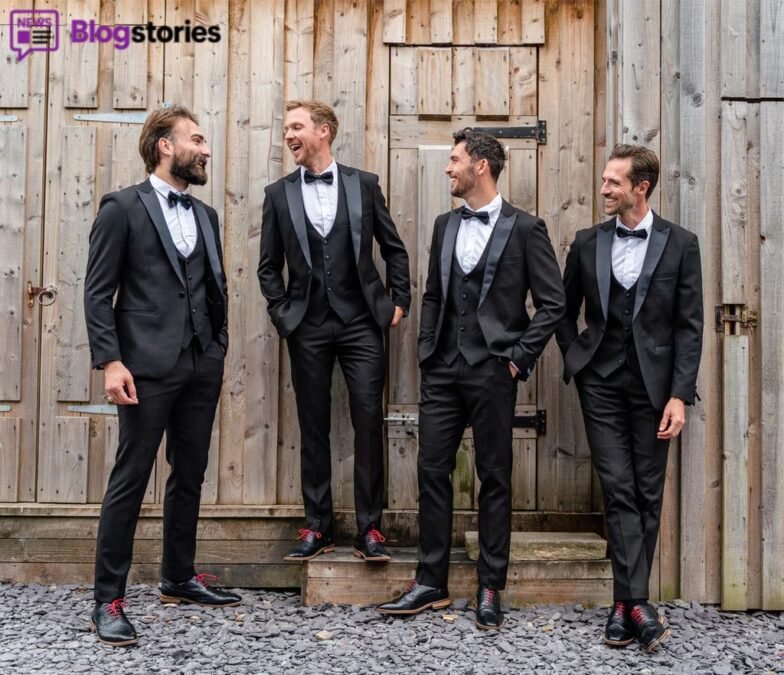
A black bow tie is the classic choice for black tie attire. A self-tie bow tie looks more elegant than a pre-tied version, but a neat pre-tied bow tie can still work if it looks clean and formal.
A regular necktie is usually not ideal for true black tie. It can look closer to business formal than evening formal. If the invitation says “black tie optional,” a dark suit with a conservative tie may be acceptable, but for a true black tie event, the bow tie is the stronger choice.
Shoes and Grooming for Men
Formal black shoes complete the outfit. Patent leather oxfords are the most traditional, but highly polished black leather oxfords can also work. Loafers may be accepted in modern settings if they are sleek and dressy, but casual shoes, sneakers, chunky soles, and brown shoes should be avoided.
Grooming matters as much as clothing. Hair should look neat, facial hair should be trimmed, and nails should be clean. A black tie outfit loses its charm if the overall appearance feels careless.
Black Tie Attire for Women
For women, black tie attire usually means a floor-length evening gown. The gown does not have to be black, but it should feel formal, elegant, and suitable for evening wear. Rich fabrics such as silk, satin, velvet, chiffon, lace, and crepe are excellent choices.
A long gown is the safest option for weddings and galas. A formal cocktail dress may work at a slightly relaxed black tie event, but it should still feel refined. Short, casual, office-style, or overly simple dresses are usually not suitable.
M&S also notes that women often wear long dresses in evening fabrics like velvet, silk, satin, or lace, and the dress does not always have to be black.
Colors for Women
Black is always elegant, but it is not the only option. Deep jewel tones such as emerald, navy, burgundy, plum, and sapphire look beautiful at evening events. Soft metallics, champagne, blush, and deep green can also work when styled tastefully.
For weddings, avoid white, ivory, or anything that looks too bridal unless the invitation clearly allows it. Very bright neon colors, loud prints, or overly revealing designs may feel out of place at traditional black tie events.
Accessories for Women
Accessories should support the outfit, not overpower it. A small clutch or evening bag is better than a large everyday handbag. Jewelry can be simple or statement-making, depending on the dress. If the gown is heavily embellished, keep jewelry minimal. If the gown is simple, elegant earrings or a necklace can add polish.
Shoes should be formal and comfortable enough for the event. Heels are common, but dressy flats can also work, especially for long events. The key is that the shoes should look refined and match the level of the outfit.
Black Tie Optional
Black tie optional gives guests slightly more flexibility. Men can wear a tuxedo, but a dark formal suit with a white shirt and conservative tie may also be acceptable. Women can wear a floor-length gown, formal midi dress, or elegant cocktail dress.
Even though the word “optional” sounds relaxed, the event is still formal. It does not mean casual clothing is allowed. The goal is to look close to black tie even if you are not wearing the most traditional version.
White Tie vs Black Tie
White tie is more formal than black tie. It usually includes a tailcoat, white bow tie, white waistcoat, and very formal evening dress. White tie events are rare and usually reserved for state dinners, royal events, and extremely formal balls.
Black tie is still highly formal, but it allows a little more flexibility. A tuxedo, evening gown, elegant fabrics, and polished styling are the main focus.
Black Tie Attire for Weddings
A black tie wedding usually means the couple wants a refined, elegant celebration. Men should wear a tuxedo if possible. Women should choose a long gown or a very formal evening dress.
Pay attention to the venue and season. A ballroom wedding may call for the most traditional look, while a luxury outdoor wedding may allow softer fabrics and lighter colors. Still, the outfit should remain formal and respectful.
Avoid anything that steals attention from the couple. The goal is to look elegant, not dramatic in a distracting way.
Black Tie Attire for Galas
Galas are often the perfect setting for classic black tie attire. These events usually welcome a little glamour. Men can wear a sharply tailored tuxedo, polished shoes, cufflinks, and a pocket square. Women can choose a floor-length gown, elegant jewelry, and a refined evening hairstyle.
Vogue Arabia explains that gala dressing depends on the event context, such as a charity ball, art opening, or formal cultural event, while still respecting the level of formality.
Black Tie Attire for Corporate Events
Corporate black tie events require elegance with restraint. Men should avoid overly flashy tuxedo details. A classic black or midnight blue tuxedo is best. Women should choose polished gowns or formal dresses that feel sophisticated and professional.
This is not the best place for extreme fashion choices. Clean lines, good tailoring, and tasteful accessories are usually the safest approach.
Black Tie Attire by Season
Season can guide your fabric and color choices. In winter, velvet, heavier satin, wool tuxedos, and deep colors feel appropriate. In summer, lighter silk, chiffon, crepe, and breathable formal fabrics are better.
For spring, soft jewel tones, navy, blush, and elegant floral-inspired colors can work. For autumn, burgundy, forest green, bronze, and deep navy feel rich and seasonal.
Common Mistakes to Avoid
One common mistake is wearing a regular business suit to a true black tie event. A business suit may look neat, but it does not match the formal evening standard. Another mistake is choosing casual shoes, oversized handbags, or everyday fabrics.
Poor fit is also a major issue. Even an expensive outfit can look weak if it does not fit well. Tailoring can make a simple outfit look far more elegant.
Avoid over-accessorizing. Black tie style is about polish, not clutter. Every detail should feel intentional.
Budget-Friendly Black Tie Options
You do not need to spend a fortune to dress well. Renting a tuxedo can be a smart option if you rarely attend formal events. Women can also rent gowns or buy timeless pieces that can be styled differently for future occasions.
Focus your budget on fit, fabric, and shoes. A simple, well-fitted outfit often looks better than an expensive but poorly styled one. Accessories can be minimal as long as they are clean and elegant.
Travel Tips for Black Tie Events
If you are traveling for a black tie event, pack carefully. Use a garment bag for tuxedos and gowns. Keep shoes in separate bags to protect the clothing. Bring a small sewing kit, lint roller, and steamer if possible.
Try on the full outfit before leaving home. This helps you avoid last-minute problems with fit, missing accessories, or uncomfortable shoes.
Final Thoughts
Black tie attire is about elegance, respect, and confidence. It gives every guest a chance to dress beautifully for an important occasion. The best black tie outfit is not always the loudest or most expensive. It is the one that fits well, suits the event, and makes you feel comfortable while honoring the dress code.
For men, a classic tuxedo, bow tie, white shirt, and polished shoes remain the strongest choice. For women, a refined evening gown, elegant accessories, and formal styling create a timeless look. Once you understand the basics, black tie dressing becomes much easier and far more enjoyable.
Frequently Asked Questions
1. What does black tie attire mean?
Black tie attire is a formal evening dress code. Men typically wear a tuxedo with a black bow tie, while women usually choose a floor-length gown or another elegant evening dress.
2. Can I wear a regular suit to a black tie event?
A regular dark suit may work only if the invitation says “black tie optional.” For a true black tie event, a tuxedo is the most appropriate and traditional choice.
3. Do women have to wear a long dress for black tie attire?
A full-length gown is the classic option. However, some modern black tie events may accept a sophisticated formal cocktail dress if the invitation or venue allows it.
4. What shoes should I wear with black tie attire?
Men should choose polished black formal shoes, preferably patent leather or classic Oxfords. Women can wear elegant heels or refined dress flats that complement their evening outfit.
5. What colors are suitable for black tie attire?
Black is the traditional choice, but midnight blue, burgundy, emerald green, navy, champagne, and other rich evening shades are also appropriate for many formal occasions.