




How Patriots vs Broncos Became One of the NFL’s Best Rivalries
Intro
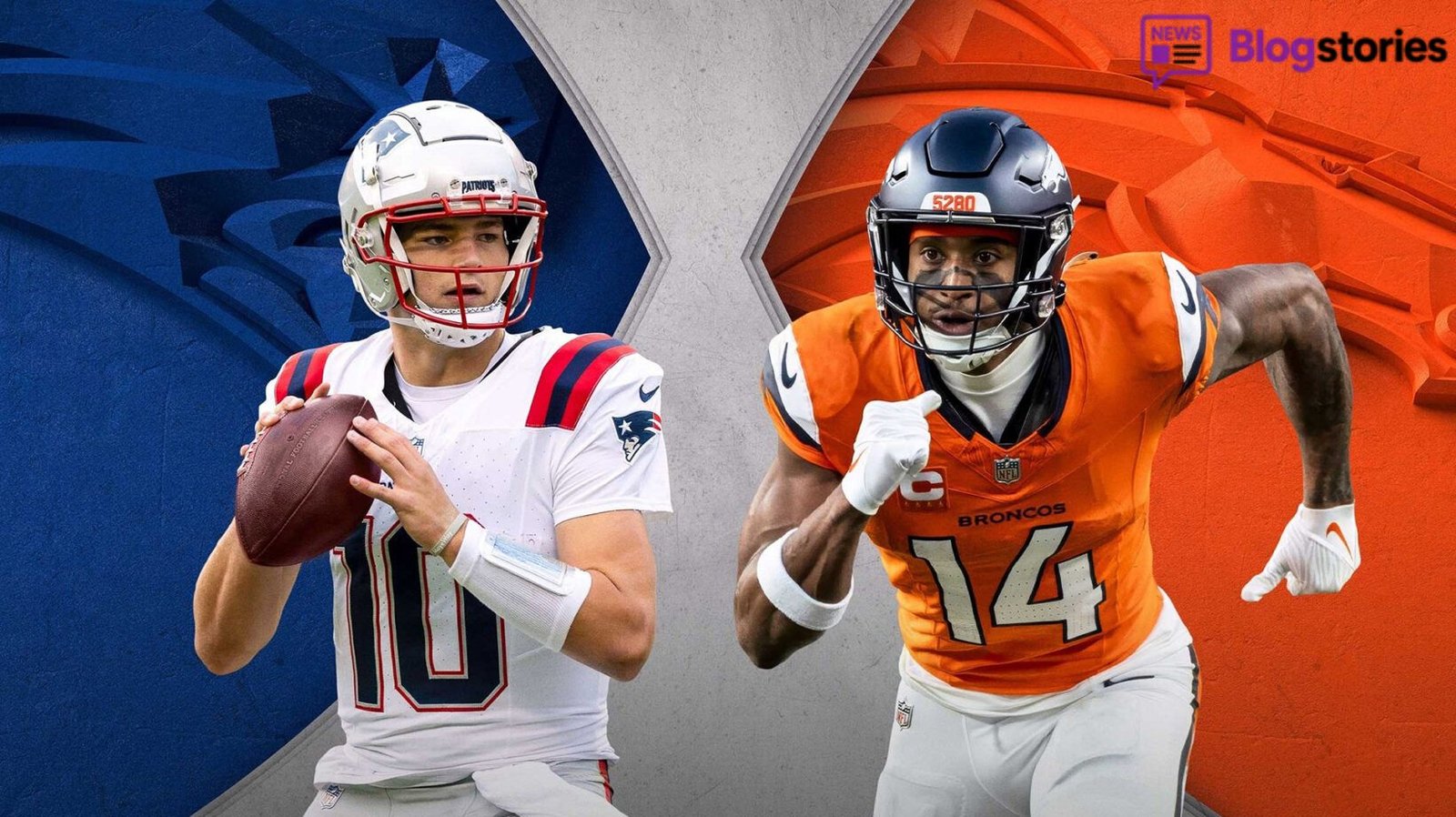
The Patriots vs Broncos rivalry is not a traditional divisional feud built on two guaranteed meetings every season. New England plays in the AFC East, while Denver belongs to the AFC West. Yet when these teams meet, the game often feels bigger than an ordinary conference matchup.
Their shared history stretches back to the opening weekend of the American Football League in 1960. Over the decades, the rivalry has featured dominant winning streaks, dramatic playoff eliminations, legendary quarterbacks, championship-level defenses and several games that directly decided which team would represent the AFC in the Super Bowl.
The names associated with the matchup tell much of the story: John Elway, Tom Brady, Peyton Manning, Bill Belichick, Mike Shanahan, Rob Gronkowski, Champ Bailey and Von Miller. Each era added something different to the rivalry.
Most importantly, the rivalry has continued beyond its most famous stars. New England’s 10–7 victory over Denver in the AFC Championship Game on January 25, 2026, showed that Patriots vs Broncos can still produce meaningful football even without Brady or Manning on the field.
BIO
| Label | Information |
|---|---|
| Rivalry Name | Patriots vs Broncos |
| Sport | American Football (NFL) |
| Teams | New England Patriots and Denver Broncos |
| First Meeting | September 9, 1960 |
| League Origin | American Football League (AFL) |
| Conference | American Football Conference (AFC) |
| Divisions | Patriots: AFC East • Broncos: AFC West |
| Known For | Historic playoff battles and elite quarterbacks |
| Legendary Players | Tom Brady, Peyton Manning, John Elway, Von Miller |
| Memorable Games | AFC Championship Games and dramatic regular-season matchups |
| Rivalry Highlights | Comebacks, defensive battles, and Super Bowl implications |
| Why It Matters | One of the NFL’s most respected non-divisional rivalries with decades of history |
It Began with the AFL
The history between Denver and New England began before either franchise officially entered the NFL.
The Denver Broncos and the Boston Patriots were original members of the American Football League. Their first meeting took place on September 9, 1960, during the AFL’s opening weekend. Denver won the game 13–10, giving the rivalry a place in the earliest chapter of modern professional football.
Those early games did not immediately create a nationally recognized rivalry. Both organizations spent years trying to establish consistent identities and compete with stronger teams in the young league.
The relationship changed after the AFL-NFL merger. The teams became members of the American Football Conference but were placed in different divisions. Because they did not play twice every year, each meeting carried a sense of unfamiliarity.
That scheduling distance eventually helped the rivalry. The teams often met because they had finished in similar positions within their divisions or had qualified for the postseason. Instead of becoming routine, their games frequently arrived when both organizations had something important to protect.
Denver Controlled the Early Years
Long before New England became the NFL’s most successful modern dynasty, Denver regularly frustrated the Patriots.
The Broncos were especially dominant during the John Elway era. From 1983 through 1998, Denver played New England 11 times, including one playoff game, and won all 11 meetings. Elway never lost to the Patriots as Denver’s starting quarterback.
That record helped establish one of the rivalry’s defining themes: New England’s difficulty winning in Denver.
Mile High Stadium, and later the Broncos’ newer home in Denver, presented unusual challenges. The altitude could test visiting players, while the crowd created communication problems for opposing offenses. Denver’s fast defenses and strong running games also made the Broncos difficult to handle at home.
The most important game of that early period came after the 1986 season. Denver defeated New England 22–17 in the divisional round before advancing to the AFC Championship Game.
For the Patriots, Denver became more than another conference opponent. The Broncos represented an obstacle that repeatedly appeared between New England and its larger ambitions.
The Rivalry Changed with Tom Brady
The balance of power began to shift after Tom Brady became New England’s starting quarterback in 2001.
Under Brady and head coach Bill Belichick, the Patriots became known for preparation, situational discipline and the ability to adjust their strategy for each opponent. New England won three Super Bowls in four seasons between the 2001 and 2004 campaigns, turning the franchise into the standard of the AFC.
Denver, however, remained one of the few teams capable of making New England uncomfortable.
The Broncos used physical defensive backs, creative pressure packages and a dependable running game to limit the Patriots. Denver also continued to benefit from playing major games at home, where the Patriots historically had struggled.
This contrast made the matchup compelling. New England represented precise, adaptable football. Denver often relied on physicality, movement in the running game and the advantages of playing at altitude.
The rivalry no longer belonged completely to Denver, but New England could never treat the Broncos like an ordinary opponent.
The 2005 Playoff Shock
One of the most important games in the rivalry occurred on January 14, 2006.
New England entered the divisional-round matchup as the two-time defending Super Bowl champion. The Patriots had won 10 consecutive postseason games and appeared capable of making another championship run.
Denver ended it.
The Broncos won 27–13 after forcing five New England turnovers. The game is remembered most clearly for Champ Bailey’s interception of Brady near the Denver goal line. Bailey returned the ball nearly the entire length of the field before Patriots tight end Benjamin Watson chased him down.
Instead of New England scoring a touchdown, Denver gained possession near the opposite goal line and soon added points of its own.
The sequence became one of the rivalry’s defining moments. It demonstrated how quickly a playoff game could turn and ended the Patriots’ bid for a third consecutive Super Bowl title.
The defeat was also Brady’s first playoff loss as an NFL starter. Denver had not merely beaten the defending champions; it had interrupted one of the strongest postseason runs in league history.
New England Answered in 2012
The Patriots eventually delivered their own decisive postseason response.
Following the 2011 regular season, Denver arrived in Foxborough for a divisional-round game led by quarterback Tim Tebow. The Broncos had captured national attention through a series of dramatic finishes, including an overtime playoff victory against Pittsburgh one week earlier.
New England removed the suspense quickly.
Brady threw six touchdown passes as the Patriots won 45–10. The performance showed the enormous gap between New England’s established championship offense and a Denver team still searching for a sustainable long-term identity. Official postseason records list the Patriots with 509 total yards compared with Denver’s 252.
The result also gave New England its first postseason victory over Denver. Until that point, the Broncos had controlled the playoff series.
However, the rivalry was about to become even more important.
Peyton Manning Raised the Stakes
Peyton Manning joined the Broncos in 2012 and immediately transformed the matchup.
Brady and Manning already had the most important quarterback rivalry of their generation. Their earlier meetings had come when Manning played for the Indianapolis Colts, with playoff seeding, conference titles and Super Bowl opportunities frequently at stake.
When Manning moved to Denver, that personal rivalry became part of the larger Patriots vs Broncos story.
The quarterbacks had different public styles. Brady was associated with New England’s controlled, adaptable system. Manning was celebrated for his command at the line of scrimmage, rapid defensive recognition and ability to reorganize an offense before the snap.
Their games were never simply about passing statistics. They became arguments about leadership, preparation, offensive design and postseason legacy.
Brady finished his career with an 11–6 record in games against Manning, but Manning won three of their five postseason meetings. Four of those playoff contests were conference championship games, illustrating how frequently their paths crossed near the top of the AFC.
The 2013 Comeback
The November 24, 2013, regular-season meeting remains one of the most dramatic games in the series.
Denver entered the game with one of the league’s most explosive offenses. The Broncos built a 24–0 halftime lead in cold, windy conditions at Gillette Stadium, and New England appeared overwhelmed.
The second half completely changed the game.
Brady led a patient comeback as the Patriots scored 31 unanswered points. Denver eventually forced overtime, but a late special-teams mistake gave New England favorable field position. Stephen Gostkowski converted the winning field goal, completing a 34–31 Patriots victory.
The game represented everything fans had come to expect from the rivalry: tactical adjustments, dramatic momentum swings, quarterback resilience and a result that remained uncertain until the final moments.
It also showed why Brady and Belichick were so difficult to defeat. New England did not abandon its approach after falling behind. The Patriots adjusted protections, improved their ball security and gradually forced Denver into mistakes.
Denver Won the 2013 AFC Title
Less than two months later, the teams met again with much more at stake.
Denver hosted New England in the AFC Championship Game on January 19, 2014. Unlike the chaotic regular-season meeting, the playoff rematch was controlled largely by Manning and the Broncos.
Manning passed for 400 yards, while Denver accumulated 507 total yards. The Broncos sustained long drives, protected the football and kept Brady on the sideline. Denver won 26–16 and advanced to the Super Bowl.
The result strengthened Denver’s historical home-field advantage against New England. It also gave Manning a major postseason victory over Brady, an important addition to the debate surrounding the two quarterbacks.
For the Patriots, the loss reinforced an uncomfortable reality. New England had dominated much of the NFL during the Brady era, but winning a major playoff game in Denver remained exceptionally difficult.
The 2015 Championship Classic
The rivalry reached another peak during the AFC Championship Game on January 24, 2016.
Denver’s identity had changed. The record-setting offense of earlier Manning seasons had been replaced by one of the NFL’s strongest defenses. Von Miller, DeMarcus Ware, Aqib Talib, Chris Harris Jr. and the rest of Denver’s defensive unit created constant pressure without sacrificing coverage.
Miller produced one of the greatest performances of his career. He repeatedly disrupted New England’s offense and intercepted Brady in the first half.
Still, the Patriots refused to disappear.
Denver led 20–12 late in the fourth quarter. New England eventually scored a touchdown with 12 seconds remaining, cutting the margin to two points. The Patriots needed a two-point conversion to force overtime, but Brady’s pass was intercepted in the end zone.
Denver recovered the ensuing onside kick and secured a 20–18 victory.
The game featured elite defense, late drama and enormous consequences. Denver advanced to Super Bowl 50, where it defeated the Carolina Panthers. Manning retired after the season, ending the most celebrated quarterback chapter of the rivalry.
Coaches Shaped the Matchup
Although quarterbacks received most of the attention, coaching was central to the rivalry’s importance.
Belichick approached Denver with an understanding that the Broncos could win in different ways. Against Manning, New England frequently changed coverages and attempted to disguise pressure. Against Denver’s strongest defenses, the Patriots relied on quick throws, option routes and formation changes designed to create favorable matchups.
Mike Shanahan’s Denver teams were built around a highly effective zone-running system. The scheme placed pressure on New England’s defensive discipline and helped Denver control the tempo.
Gary Kubiak later guided the Broncos to their 2015 AFC Championship victory and Super Bowl title. His team understood that it did not need an explosive offensive performance to beat New England. Denver relied on defense, field position and just enough production from Manning.
The tactical nature of the games helped separate Patriots vs Broncos from a rivalry based only on emotion. These meetings often became detailed football contests in which adjustments were as important as individual talent.
The Players Built the Legacy
The rivalry has featured some of the most recognizable players of their eras.
For New England, Brady remains the central figure, but he was supported by players who repeatedly influenced the matchup. Rob Gronkowski created difficult coverage decisions for Denver’s linebackers and defensive backs. Julian Edelman provided reliability on short and intermediate routes. Vince Wilfork helped New England resist Denver’s running game, while Ty Law represented the physical defensive style of the Patriots’ early championship teams.
Denver answered with its own collection of stars.
Elway dominated the early series and helped establish Denver’s confidence against New England. Manning added a historic quarterback dimension. Bailey produced the famous interception return in the 2005 playoffs. Miller became the face of Denver’s defensive success and was particularly influential during the 2015 AFC Championship Game.
Terrell Davis, Shannon Sharpe, Demaryius Thomas, Emmanuel Sanders and Ware also contributed to different chapters of the matchup.
The depth of talent matters because lasting rivalries require more than one famous player. The teams continued to produce meaningful games as rosters, coaches and playing styles changed.
A Rivalry Built on Consequences
One reason the rivalry became so respected is the importance of its postseason meetings.
Denver and New England met six times in the playoffs through January 2026. Denver won four of those games, while New England won two. Three meetings were AFC Championship Games, and the winner advanced directly to the Super Bowl.
Even the regular-season games often influenced playoff seeding.
From 2011 through 2017, the teams met during every regular season, largely because both organizations repeatedly finished near the top of their divisions. During that period, they also played three postseason games.
This frequency created familiarity without turning the matchup into a routine divisional series. The teams knew each other’s tendencies, but each meeting still felt like a special event.
Home-field advantage was especially important. A January trip to Denver created a very different challenge from a cold-weather game in Foxborough. Because both teams expected to compete deep into the postseason, a regular-season result could determine where a future playoff rematch would be played.
The Rivalry Survived Brady and Manning
After Manning retired and Brady eventually left New England, it was reasonable to wonder whether the rivalry had lost its meaning.
The teams entered rebuilding periods and no longer met every season. Without two legendary quarterbacks, national attention shifted toward newer AFC powers.
Yet the history did not disappear.
Every new meeting carried reminders of earlier playoff battles and Denver’s long-standing ability to challenge New England. The rivalry also left behind a standard for both franchises. Fans expected their teams to compete for conference championships rather than settle for occasional playoff appearances.
That expectation became relevant again during the 2025 season.
Denver and New England returned to the top of the AFC and met in the conference championship game on January 25, 2026. It was the third AFC title game between the franchises, and all three had been played in Denver.
The 2026 Chapter
The 2026 AFC Championship Game looked very different from the Brady-Manning classics.
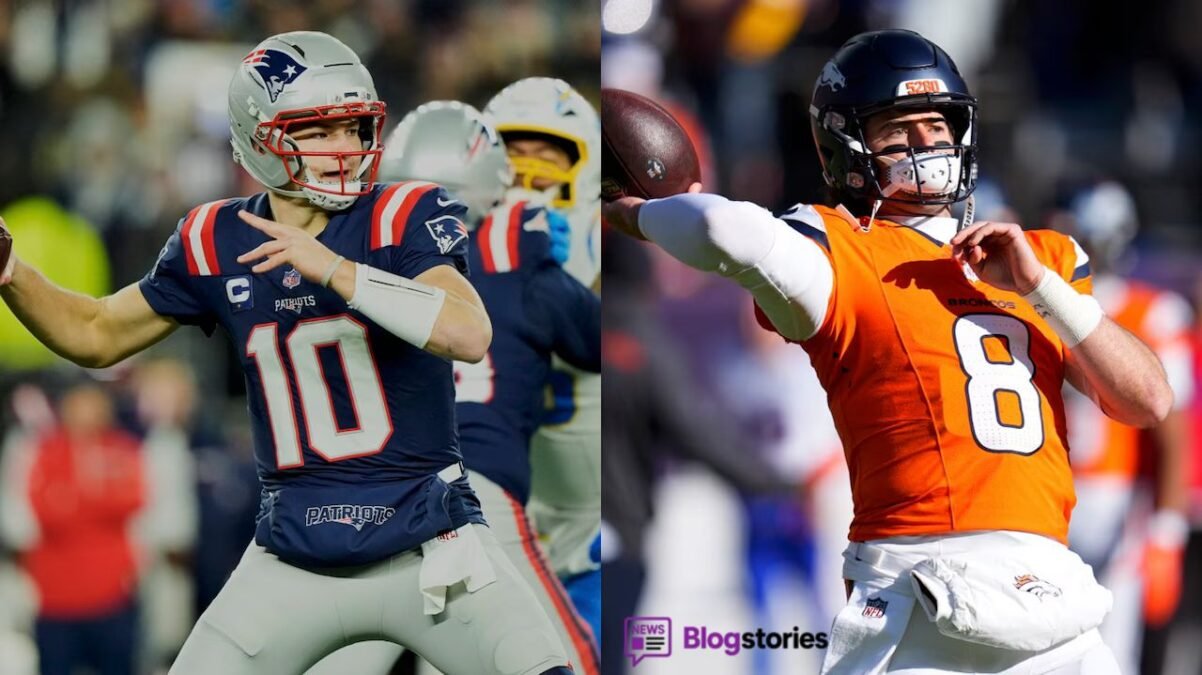
New England was led by head coach Mike Vrabel and quarterback Drake Maye. Denver entered without injured starting quarterback Bo Nix and turned to former Patriot Jarrett Stidham.
Heavy snow and difficult kicking conditions produced a defensive contest. Denver scored first, but New England capitalized on a turnover and eventually took control. Maye did not post large passing numbers, yet he contributed a rushing touchdown and converted an important late first down.
The Patriots won 10–7 and advanced to the Super Bowl. It was New England’s first victory in an AFC Championship Game played in Denver after losses following the 2013 and 2015 seasons.
The result added balance to the rivalry’s postseason story. Denver had ended New England’s title hopes in several previous eras. This time, a new generation of Patriots returned the favor.
More importantly, the game proved that the rivalry was bigger than Brady and Manning. New coaches, quarterbacks and defensive leaders could still create a meaningful chapter because the history between the organizations had already established the stakes.
Why the Rivalry Feels Different
The Patriots and Broncos are not each other’s most obvious rivals.
New England’s divisional history includes the Jets, Dolphins and Bills. Denver’s most heated traditional rivalries involve the Raiders, Chiefs and Chargers.
However, divisional frequency does not automatically create historical significance. What makes Patriots vs Broncos special is the consistent weight of the games.
Their rivalry includes the first weekend of AFL football, Elway’s unbeaten run against New England, the end of the Patriots’ long postseason winning streak, Brady’s six-touchdown playoff performance, two Manning-led AFC Championship victories and New England’s snowy conference-title win in 2026.
Few non-divisional matchups can offer such a wide range of eras and defining moments.
The rivalry also contains genuine competitive balance. Denver controlled the early history. New England became the stronger overall franchise during the Brady-Belichick dynasty, yet the Broncos continued to defeat the Patriots in some of their most important meetings.
Neither team can claim complete ownership of the story.
A Contrast of Football Cultures
The rivalry has also been shaped by contrasting environments.
New England’s identity during its championship years emphasized flexibility. The Patriots were willing to change their offensive or defensive approach from week to week. A game plan that worked against one opponent might be abandoned entirely against another.
Denver’s strongest teams often reflected the physical demands of playing in the Rocky Mountain region. The Broncos used strong running games, athletic defenses and the energy of a loud home crowd. During the Manning era, they added sophisticated passing concepts without losing the importance of home-field advantage.
These different football cultures created fascinating matchups. New England tried to control details and remove an opponent’s best strength. Denver attempted to use speed, physicality and the environment to force visitors out of their comfort zone.
The games became tests of identity as much as talent.
Why It Still Matters
A great rivalry requires history, recognizable stars, competitive balance and meaningful consequences. Patriots vs Broncos has all four.
It began during the AFL’s first season, grew through the Elway years, became nationally significant during New England’s dynasty and reached its most famous stage through Brady and Manning.
The postseason record gives Denver an important historical advantage, while New England’s 2026 victory created a new reference point for younger fans. The series is no longer only a collection of memories from retired legends.
Future meetings will not automatically match the intensity of the greatest games. Rivalries depend on both teams being competitive at the same time. However, the foundation is already in place.
When Denver and New England meet with playoff positioning or a championship opportunity at stake, players inherit more than a normal weekly assignment. They enter a matchup shaped by six decades of football history.
Conclusion
The Patriots vs Broncos rivalry became one of the NFL’s best because it repeatedly delivered when the stakes were highest.
It has never needed annual divisional hostility to remain relevant. Instead, the rivalry grew through playoff eliminations, conference championship games, unforgettable comebacks and contrasting generations of elite players.
Denver’s early dominance created the foundation. Brady and Belichick turned New England into a championship power. Manning’s arrival elevated the rivalry into a national event, while Denver’s defense added another memorable chapter. The 2026 AFC Championship Game then carried the story into a new era.
That continued evolution is the rivalry’s greatest strength. The uniforms remain familiar, but the circumstances keep changing.
As long as the Patriots and Broncos continue meeting in important AFC games, their shared history will add pressure, meaning and anticipation to every kickoff.
Frequently Asked Questions
When did the Patriots vs Broncos rivalry begin?
The rivalry began in 1960 when the Boston Patriots and Denver Broncos played during the first season of the American Football League.
Why is Patriots vs Broncos considered a major rivalry?
The matchup became important because of its playoff history, AFC Championship meetings, legendary quarterbacks and several games with Super Bowl consequences.
Who has played the biggest role in the rivalry?
Tom Brady, Peyton Manning and John Elway are the most influential quarterbacks associated with the rivalry. Von Miller, Champ Bailey and Rob Gronkowski also delivered memorable performances.
What was the most famous Patriots vs Broncos game?
Several games stand out, but the 2015 AFC Championship Game is often remembered most. Denver won 20–18 after stopping New England’s late two-point conversion attempt.
Are the Patriots and Broncos divisional rivals?
No. New England plays in the AFC East, while Denver competes in the AFC West. Their rivalry developed through important regular-season and playoff meetings.