





Is Cornflour Gluten Free? The Ultimate Guide to Understanding It
Introduction
For anyone following a gluten-free diet, checking ingredients has become a daily habit. Many common cooking staples seem safe at first glance, but their manufacturing process can sometimes tell a different story. One ingredient that often creates confusion is cornflour.
Many people ask, is cornflour gluten free? The answer is generally yes, but there are important details every consumer should understand before adding it to a gluten-free meal plan.
Whether you have celiac disease, gluten sensitivity, or simply want to learn more about food ingredients, this guide explains everything you need to know about cornflour, its gluten status, potential risks, and how to choose the safest products.
What Is Cornflour?
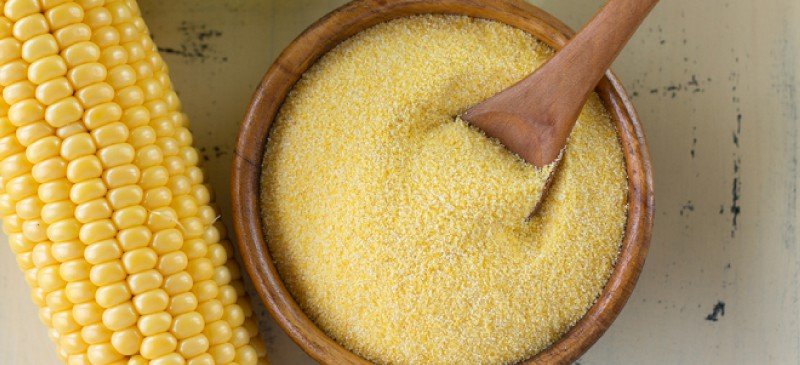
Cornflour is a fine powder made from corn. It is produced by grinding dried corn kernels into a smooth flour-like texture. Depending on the country, the term “cornflour” may refer to different products.
In many parts of the world, cornflour is made from whole corn and is commonly used in baking and cooking. In some countries, particularly the United States, the word cornstarch is used for the refined starch extracted from corn.
Despite these regional differences, both products originate from corn, which is naturally free of gluten.
Cornflour is widely used for:
- Thickening soups and sauces
- Making gravies
- Baking gluten-free recipes
- Coating foods before frying
- Creating lighter textures in baked goods
Its versatility makes it a common ingredient in kitchens around the world.
Is Cornflour Gluten Free?
The simple answer is yes, pure cornflour is naturally gluten free.
Gluten is a group of proteins found in wheat, barley, rye, and related grains. Since corn does not belong to this grain family, it does not naturally contain gluten.
When corn is processed into pure cornflour without contamination or added ingredients, it remains gluten free. This makes it suitable for most people who must avoid gluten.
However, the story does not end there. While corn itself contains no gluten, manufacturing practices can sometimes introduce gluten into products that would otherwise be safe.
That is why understanding labels and production methods is just as important as understanding the ingredient itself.
Understanding Gluten and Why It Matters
To fully understand whether cornflour is gluten free, it helps to know what gluten actually is.
Gluten acts as a binding protein that gives dough elasticity and structure. It is responsible for the chewy texture found in bread, pizza crust, and many baked goods.
For people with celiac disease, consuming gluten triggers an immune response that damages the small intestine. Even small amounts can cause symptoms and long-term health complications.
Individuals with non-celiac gluten sensitivity may also experience digestive discomfort, fatigue, headaches, and other symptoms after consuming gluten-containing foods.
Because of these health concerns, identifying truly gluten-free ingredients is essential.
Why Some Cornflour Products May Not Be Gluten Free
Although cornflour itself is naturally gluten free, certain products may become contaminated during manufacturing.
This process is known as cross-contamination.
Cross-contamination can occur when cornflour is processed in facilities that also handle wheat, barley, rye, or other gluten-containing ingredients.
For example, the same machinery used to grind wheat flour may later process cornflour. Tiny traces of gluten can remain on equipment and transfer into the final product.
For the average consumer, these traces may not matter. For someone with celiac disease, however, even very small amounts can be problematic.
Another concern is ingredient blending. Some food manufacturers add stabilizers, flavorings, or anti-caking agents that may contain gluten-derived ingredients.
This is why reading labels carefully remains essential.
The Importance of Certified Gluten-Free Products
One of the safest ways to choose cornflour is to look for products labeled gluten free.
Certified gluten-free products are tested according to strict standards. They are produced under controlled conditions designed to minimize contamination risks.
Certification gives consumers an additional level of confidence, especially those with celiac disease.
While not every safe cornflour product carries certification, choosing certified options can provide peace of mind.
Consumers should also check allergen statements and ingredient lists to verify product safety.
Cornflour vs Cornstarch
One reason many people become confused is the difference between cornflour and cornstarch.
In countries such as the United States, cornstarch refers to the purified starch extracted from corn. It is primarily used as a thickening agent.
In countries such as the United Kingdom and Australia, the term cornflour often refers to what Americans call cornstarch.
Meanwhile, some regions use cornflour to describe finely ground whole corn.
Regardless of the terminology, both products are usually gluten free when made solely from corn and processed safely.
Understanding regional naming differences can help prevent confusion when following recipes from different countries.
Can People With Celiac Disease Eat Cornflour?
Most individuals with celiac disease can safely consume cornflour if it is genuinely gluten free.
Corn itself does not contain gluten, and research supports its use in gluten-free diets.
However, because people with celiac disease react strongly to even small amounts of gluten, selecting trusted brands becomes particularly important.
Experts often recommend:
- Choosing certified gluten-free products
- Reading ingredient labels carefully
- Checking manufacturer information
- Avoiding products with unclear labeling
When these precautions are followed, cornflour can be a valuable ingredient in a gluten-free lifestyle.
Is Cornflour Safe for Gluten Sensitivity?
People with non-celiac gluten sensitivity generally tolerate pure cornflour very well.
Since gluten sensitivity varies from person to person, some individuals prefer products with certified gluten-free labeling for added reassurance.
Many gluten-sensitive consumers use cornflour as a replacement for wheat flour in sauces, coatings, and baking recipes.
Because cornflour provides texture without gluten, it has become one of the most popular ingredients in gluten-free cooking.
How to Identify Gluten-Free Cornflour
Shopping for gluten-free products becomes easier when you know what to look for.
Start by checking the packaging carefully.
Look for:
- Gluten-free labeling
- Certified gluten-free symbols
- Clear ingredient lists
- Allergen statements
- Information about manufacturing facilities
Avoid products that contain wheat-based additives or ingredients you cannot easily identify.
When in doubt, contact the manufacturer for clarification.
Many companies now provide detailed information about allergen controls and production standards.
Benefits of Cornflour in Gluten-Free Cooking
Cornflour offers several advantages for gluten-free cooking and baking.
One of its greatest strengths is its ability to create smooth textures. It thickens sauces and soups without altering flavor significantly.
It is also useful for baking. Many gluten-free recipes combine cornflour with rice flour, tapioca starch, or potato starch to improve texture.
Another benefit is affordability. Compared to some specialty gluten-free flours, cornflour is widely available and reasonably priced.
It also works well in fried foods, helping create a crisp and light coating.
Because of these advantages, cornflour remains a staple ingredient in many gluten-free kitchens.
Common Myths About Cornflour and Gluten
There are several misconceptions surrounding cornflour.
Myth 1: All Flour Contains Gluten
This is incorrect.
While wheat flour contains gluten, many flours made from corn, rice, almonds, coconuts, and other ingredients are naturally gluten free.
Myth 2: Cornflour Is the Same as Wheat Flour
Cornflour and wheat flour come from completely different plants.
Wheat flour contains gluten, while pure cornflour does not.
Myth 3: Gluten-Free Foods Are Always Healthier
A gluten-free label does not automatically make a food healthier.
Nutritional value depends on ingredients, processing methods, and overall dietary balance.
Myth 4: Cornflour Is Unsafe for Celiac Disease
Pure cornflour is generally safe.
The primary concern is contamination during processing, not the corn itself.
Gluten-Free Alternatives to Cornflour
Although cornflour works well in many recipes, some people prefer alternatives.
Popular options include:
Rice Flour
Rice flour is mild in flavor and commonly used in gluten-free baking.
Tapioca Starch
Tapioca starch creates a chewy texture and works well in baked goods.
Potato Starch
Potato starch is an excellent thickener and is frequently used in gluten-free recipes.
Arrowroot Powder
Arrowroot powder provides smooth thickening and works particularly well in sauces and desserts.
Each alternative has unique characteristics, making it useful for different cooking applications.
Tips for Using Cornflour Successfully
When cooking with cornflour, a few simple techniques can improve results.
Mix cornflour with cold water before adding it to hot liquids. This prevents lumps from forming.
Avoid overcooking thickened sauces, as extended heating can reduce effectiveness.
Store cornflour in a cool, dry place to maintain freshness.
For baking, combine cornflour with other gluten-free flours to achieve better structure and texture.
These simple practices can help you get the most from this versatile ingredient.
The Growing Popularity of Gluten-Free Diets
Interest in gluten-free eating has increased significantly over the past decade.
Some individuals follow gluten-free diets because of celiac disease or gluten sensitivity. Others choose them for personal dietary preferences.
As demand has grown, manufacturers have expanded their range of gluten-free products, including cornflour.
Today, consumers have more choices than ever before, making it easier to maintain a safe and varied gluten-free diet.
Conclusion
So, is cornflour gluten free? In most cases, the answer is yes.
Pure cornflour is naturally free from gluten because it is made from corn rather than wheat, barley, or rye. For many people with celiac disease or gluten sensitivity, cornflour can be a safe and useful ingredient.
However, cross-contamination during manufacturing remains an important consideration. Choosing products with clear gluten-free labeling and carefully reading ingredient lists can help reduce risks.
When selected wisely, cornflour offers a versatile, affordable, and effective option for thickening sauces, improving baked goods, and supporting a gluten-free lifestyle. Understanding the difference between naturally gluten-free ingredients and potentially contaminated products allows consumers to make informed choices and enjoy their meals with greater confidence.
FAQs
Is cornflour naturally gluten free?
Yes, pure cornflour is naturally gluten free because it is made from corn, which does not contain gluten proteins found in wheat, barley, or rye.
Can people with celiac disease eat cornflour?
Most people with celiac disease can safely eat cornflour if it is certified gluten free and free from cross-contamination during processing.
Is cornflour the same as cornstarch?
Not always. The meaning of cornflour varies by country. In some regions, cornflour refers to finely ground corn, while in others it means cornstarch.
How can I tell if cornflour contains gluten?
Check the ingredient list, allergen information, and gluten-free certification on the packaging before purchasing.
What is the best gluten-free alternative to cornflour?
Popular alternatives include rice flour, tapioca starch, potato starch, and arrowroot powder, depending on the recipe.