




Why Ashley Banjo Is Changing the Face of Modern Dance
Introduction
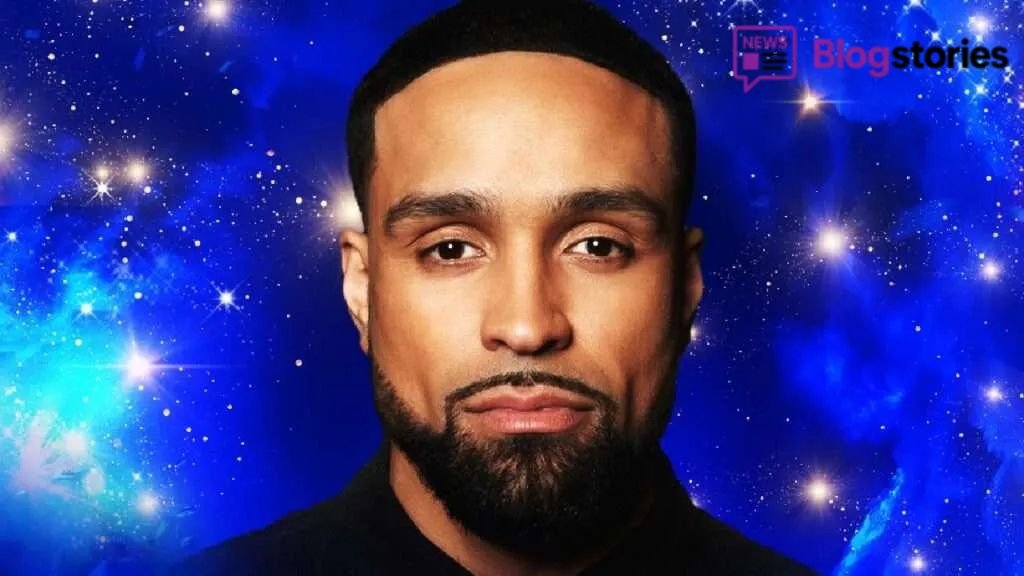
Ashley Banjo is one of the most influential voices in contemporary dance today. Known as a dancer, choreographer, and television personality, he has pushed the boundaries of what street dance can achieve, both as an art form and as a platform for cultural dialogue. From leading the street dance troupe Diversity to shaping public conversations on race, art, and performance, Banjo’s story is one of creativity and courage. In this article, we explore how he has transformed modern dance and why his influence continues to grow.
BIO
| Label | Information |
|---|---|
| Name | Ashley Banjo |
| Profession | Dancer, Choreographer, TV Personality |
| Birth Year | 1988 |
| Birth Place | Leytonstone, London, England |
| Nationality | British |
| Dance Group | Diversity |
| Breakthrough | Won Britain’s Got Talent (2009) |
| Style | Street dance, Contemporary, Storytelling |
| Awards | BAFTA recognition, Multiple dance awards |
| TV Appearances | Got to Dance, Dancing on Ice, Britain’s Got Talent |
| Advocacy | Diversity, Social awareness, Mentorship |
| Notable Achievements | Black Lives Matter-inspired performance, Global influence |
| Legacy | Inspiring new generations of dancers |
Who Ashley Banjo Is
Ashley Banjo was born in 1988 in Leytonstone, London. He grew up in Essex in a family with strong artistic roots—his mother was a dance teacher and his father was a Nigerian boxer. Banjo developed a deep love for dance early, teaching himself routines from his early teens onward. Alongside his younger brother, Jordan, he formed a street dance group originally called Swift Moves, later renamed Diversity.
Diversity gained national attention when they won the third series of Britain’s Got Talent in 2009, beating out other high‑profile acts to capture the audience’s imagination with their precision, passion, and energy. That victory was only the start of Banjo’s impact on modern performance.
Rewriting Street Dance for a New Generation
Before Banjo and Diversity burst onto the scene, street dance was often seen as niche, tied to underground culture and music videos. What Banjo did with Diversity was refine that raw energy into tightly choreographed, theatrical performances that still honored street dance’s roots. Their routines blend hip‑hop, contemporary elements, and storytelling in ways that feel both fresh and deeply expressive.
Today, street dance is not just a form of entertainment but a serious performance genre studied by dancers worldwide. Banjo’s artistic direction helped elevate street dance from local stages and clubs to mainstream theaters, major TV shows, and international tours. His work inspired countless young dancers to take their craft seriously and imagine new possibilities.
Influence Through Television and Public Platforms
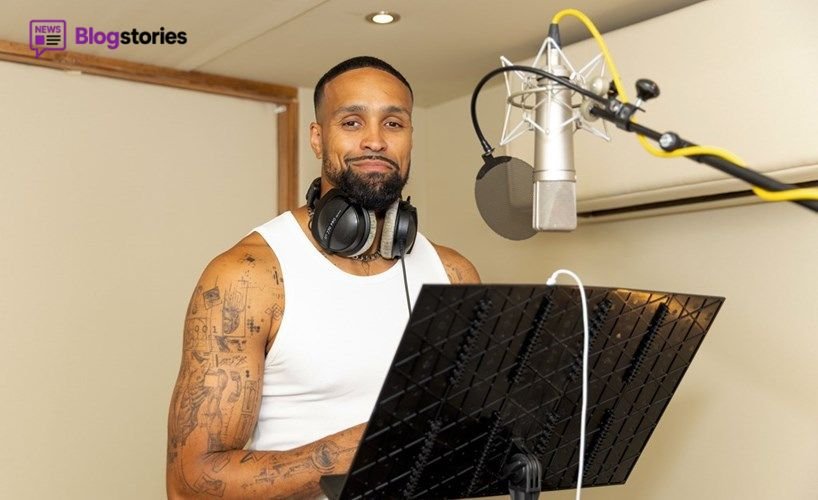
One major way Banjo has shaped modern dance is through television. After Britain’s Got Talent, he became a regular presence on competitive dance and reality shows. He’s served as a judge on Got to Dance, Dance Dance Dance, and the rebooted Dancing on Ice, where he offered expert insight into performance and technique. In 2020, he also stepped in as a guest judge on Britain’s Got Talent while Simon Cowell recovered from an injury.
These roles have given Banjo a platform to reach millions of viewers and make dance accessible to audiences who might otherwise never engage with it. His television appearances helped break the stereotype that dance is only for studios or niche communities. Instead, it became a celebrated art form appreciated across generations.
A Bold Artistic Voice in Social Conversations
What truly sets Banjo apart from many performers is his willingness to weave social commentary into his work. One moment that stands out is Diversity’s Britain’s Got Talent performance in 2020, where the group presented a routine inspired by the Black Lives Matter movement. The piece depicted a police officer kneeling on Banjo, a direct reference to the killing of George Floyd, and ended with the dancers taking a knee—a powerful visual statement.
That performance sparked intense public reaction. It prompted more than 24,000 complaints to the UK’s broadcasting regulator over concerns about political content on a family entertainment show—but also drew strong support and emotional responses from many viewers who praised its message. The routine later won a BAFTA for its impact.
Banjo said he saw the performance as a reflection of the times and a conversation starter about race, equality, and representation. Despite receiving racist abuse from some corners of the public in response to the performance, he stood by the work and highlighted how art can be a catalyst for national discussion.
Changing the Narrative Around Dance and Representation
In embracing meaningful social themes, Banjo pushed dance beyond pure entertainment. His work encouraged audiences to think critically about cultural issues and broadened the role of performance as a tool for expression beyond aesthetics. Through choreography that carries message and emotion, Banjo demonstrated that modern dance can challenge perceptions and evoke empathy just as powerfully as music, theatre, or film.
This approach helped shift how dance is presented on mainstream platforms. Instead of seeing dance as background spectacle, audiences now engage with it as a medium that reflects society’s tensions, hopes, and stories. That evolution—part artistic vision and part cultural shift—is a big part of how Banjo is changing modern dance.
Mentoring, Leadership, and Wider Influence
Banjo hasn’t just advanced his own career. He has been a mentor and leader to the dancers in Diversity and to many young performers looking up to him. The group has grown and evolved over the years, and Banjo has encouraged fresh talent through initiatives like DVJ (Diversity Juniors), giving younger dancers exposure to high‑level choreography and performance opportunities.
His influence also stretches into dance education and advocacy. Banjo serves as an ambassador for organisations like the United Dance Organisation, sharing his expertise and advocating for dance as a serious artistic discipline.
Many dancers cite Banjo as an inspiration because he blends discipline with creativity, showing that success in dance requires both athletic ability and imaginative storytelling. His leadership has helped redefine what it means to be a professional dancer in the 21st century.
Recognition and Legacy
Banjo’s impact has been recognised formally as well as culturally. In 2022, he was appointed a Member of the Order of the British Empire (MBE) for his services to dance. This honour underlines how his contributions have resonated far beyond entertainment, touching education, representation, and national culture.
Beyond awards, Banjo’s legacy lies in how he has reshaped public perceptions of dance. Young dancers today see a clearer path to meaningful careers. They see that choreography can be bold, expressive, and tied to important social topics. They see that dance can connect people emotionally and intellectually, not just visually.
Challenges and Public Reaction
With visibility comes scrutiny. Banjo’s choices haven’t always been universally accepted. The public response to the Black Lives Matter‑inspired performance showed that challenging work can provoke negative reactions—even hostility. Banjo himself openly discussed receiving racist abuse after that performance, and called attention not to himself, but to the broader issue facing marginalized communities.
Handling such reactions demanded resilience and conviction. Banjo’s response emphasised the importance of discussion and understanding, rather than retreat. That response is part of what makes his influence enduring: he uses his platform not to avoid controversy, but to foster reflection.
Impact on Future Dance Culture
Looking ahead, Banjo’s influence continues. Young choreographers and dance crews around the world draw inspiration from his work. His approach demonstrates that powerful storytelling and cultural relevance can elevate dance to new heights. Banjo’s legacy isn’t simply routines on stage; it’s a mindset that embraces innovation, message, and impact.
With growing platforms for dance through social media, television, and live performance, Banjo’s approach encourages future dancers to be bold in both form and content. That influence ensures that the next era of dancers won’t just master technique—they’ll use dance as a voice.
Conclusion
Ashley Banjo has redefined what modern dance can represent. By marrying technical mastery with meaningful expression and wider cultural relevance, he transformed street dance from niche entertainment to a recognized art form with global influence. His journey from London’s dance circles to national prominence is a testament to creativity, leadership, and courage. Through performances that spark conversation, leadership that nurtures talent, and a public presence that challenges norms, Banjo has indeed changed the face of modern dance.
FAQs
Q1: Who is Ashley Banjo?
Ashley Banjo is a British dancer, choreographer, and TV personality, best known as the leader of the street dance group Diversity.
Q2: What makes Ashley Banjo influential in modern dance?
He blends street dance with theatrical storytelling, elevating the art form and inspiring a new generation of performers.
Q3: Has Ashley Banjo won any awards?
Yes, he won Britain’s Got Talent with Diversity in 2009 and has received multiple accolades, including a BAFTA recognition for impactful performances.
Q4: How does Ashley Banjo use dance for social messages?
He incorporates themes like equality and cultural awareness into performances, sparking conversations and raising awareness on key social issues.
Q5: What can aspiring dancers learn from Ashley Banjo?
Dancers can learn creativity, discipline, and the power of storytelling, along with using their art to inspire change and connect with audiences.