





How to Identify Rare Pokemon Cards Like a Collector
Introduction
Rare Pokemon cards have fascinated collectors for decades. What started as a simple trading card game in the late 1990s has grown into one of the most successful collectibles markets in the world. Some cards sell for hundreds, thousands, and even hundreds of thousands of dollars, making collectors eager to learn how to identify valuable cards hidden inside old binders and collections.
However, not every old card is rare, and not every shiny card is valuable. Experienced collectors use specific methods to determine whether a card is genuinely rare. They examine rarity symbols, print runs, set information, card condition, and many other details before estimating value.
This guide explains how collectors identify rare Pokemon cards and what you should look for when evaluating your own collection.
BIO
| Label | Information |
|---|---|
| Topic | Rare Pokemon Cards |
| Category | Collectibles & Trading Cards |
| Purpose | Identify valuable Pokemon cards |
| Main Focus | Card rarity and value |
| First Release | Pokémon TCG (1996) |
| Key Feature | Rarity symbols |
| Valuable Types | First Edition, Secret Rare |
| Popular Card Style | Holographic Cards |
| Value Factors | Rarity, condition, demand |
| Grading Importance | Confirms condition and authenticity |
| Storage Method | Sleeves and protective cases |
| Best For | Collectors and investors |
| Collector Tip | Check card numbers and set symbols |
What Makes a Pokemon Card Rare?
A card becomes rare for several reasons. The most common factor is scarcity. If fewer copies were produced, demand often exceeds supply, making the card more desirable.
Limited promotional releases are another reason. Some cards were only distributed during tournaments, special events, or promotional campaigns. Since these cards were not widely available, they are often harder to find today.
First Edition cards are also highly sought after. These cards came from the earliest print runs of a set and usually carry special markings that distinguish them from later releases.
Certain printing errors can increase rarity as well. While mistakes may seem undesirable, collectors often value unusual misprints because they are unique and difficult to find.
Understanding Rarity Symbols
One of the easiest ways to begin identifying rare Pokemon cards is by checking the rarity symbol near the card number.
Common cards usually display a simple circle symbol. These cards are widely available and generally hold limited value unless they belong to an older set.
Uncommon cards are marked with a diamond symbol. They are slightly harder to obtain than common cards but remain relatively easy to find.
Rare cards feature a star symbol. This is the first indication that a card may have collector value.
Modern Pokemon sets introduced additional rarity levels. These include Ultra Rare, Secret Rare, Special Illustration Rare, and Hyper Rare cards. Such cards often feature unique artwork, textured surfaces, or premium finishes.
Learning these symbols is one of the first steps serious collectors take when assessing a collection.
Finding the Rarity Mark
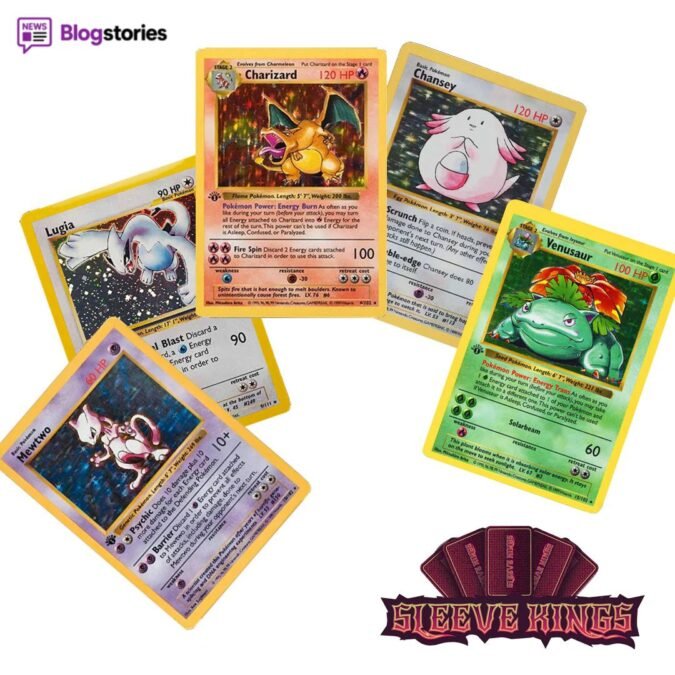
The rarity mark is typically located near the bottom of the card, close to the card number and set information.
Older cards may display slightly different layouts compared to modern releases. Because Pokemon cards have evolved over many generations, collectors should become familiar with the design styles of different eras.
When examining a card, always compare the rarity symbol with official set information. This helps verify whether the card is common, rare, or belongs to a special category.
Even experienced collectors regularly check set references because rarity classifications can vary from one expansion to another.
First Edition Cards
Few categories of rare Pokemon cards generate as much excitement as First Edition cards.
These cards were produced during the initial printing of a Pokemon card set. A small First Edition stamp appears on the left side of the card artwork area.
The most famous examples come from the original Base Set released in the late 1990s. First Edition Base Set cards, particularly popular Pokemon such as Charizard, Blastoise, and Venusaur, are among the most valuable cards in the hobby.
Collectors appreciate First Edition cards because they represent the earliest versions of iconic Pokemon. Their historical significance often contributes to higher prices.
Whenever you encounter an older Pokemon card, checking for the First Edition stamp should be one of your first steps.
Holographic Cards
Holographic cards have always attracted attention due to their reflective artwork.
Traditional holographic cards feature a shiny image area while the rest of the card remains standard. These cards were often reserved for rare Pokemon within a set.
Reverse holographic cards later became popular. Instead of the artwork shining, the card background reflects light while the Pokemon image remains normal.
Not all holographic cards are highly valuable. Many modern sets contain holo cards that are relatively common. However, vintage holographic cards from early Pokemon releases often command strong prices, especially in excellent condition.
Collectors frequently inspect holographic patterns carefully because certain variations may indicate particularly rare versions.
Card Numbers Matter
The card number printed at the bottom of a Pokemon card can reveal important information.
Most cards display a format such as 15/102 or 45/132. The first number identifies the card itself, while the second number indicates the total number of cards within the set.
Secret Rare cards often exceed the official set count. For example, a card numbered 110/109 would indicate a Secret Rare card because the card number surpasses the set total.
These special cards are generally produced in smaller quantities and are often among the most valuable cards in modern Pokemon expansions.
Checking the card number is a simple habit that can quickly help identify hidden treasures.
Set Symbols and Expansion Information
Every Pokemon card belongs to a specific expansion set.
Set symbols help collectors determine where a card originated. Different sets have unique symbols that identify their release.
Knowing the set is important because value often depends heavily on which expansion produced the card. A common card from an early set may be worth more than a modern rare card simply because fewer copies survived over time.
Collectors often use set guides and official references to match symbols with expansion names. This process helps establish both rarity and market demand.
Understanding set history is a valuable skill that separates casual collectors from experienced enthusiasts.
Card Condition
Condition plays a major role in determining value.
A rare Pokemon card with heavy damage may sell for far less than a similar card in pristine condition. Collectors examine corners, edges, surfaces, and centering when evaluating cards.
Mint condition cards show little or no wear. Colors remain vibrant, edges are sharp, and surfaces appear clean.
Light scratches, whitening around corners, bends, and creases can significantly reduce value. Even minor flaws may impact pricing when dealing with highly sought-after cards.
Many collectors handle valuable cards with protective sleeves to preserve condition and prevent future damage.
Professional Grading
Professional grading has become an important part of Pokemon card collecting.
Grading companies inspect cards and assign numerical scores based on condition. Higher grades indicate better preservation and generally increase market value.
Graded cards are sealed within protective cases that display authentication details and condition scores.
Many serious collectors prefer graded cards because they provide confidence regarding authenticity and condition.
Cards receiving the highest grades often achieve premium prices, particularly if they belong to iconic Pokemon or historic sets.
Although grading involves additional costs, it can be worthwhile for valuable cards.
Rare Card Types
Pokemon has introduced many special card categories over the years.
Gold cards feature luxurious gold-colored designs and are often among the most desirable cards within a set.
Rainbow Rare cards display colorful rainbow patterns and are known for their eye-catching appearance.
Full Art cards extend artwork across the entire card surface, creating a unique visual presentation.
EX, GX, V, VMAX, and VSTAR cards represent powerful Pokemon mechanics introduced during different eras of the game. Certain versions within these categories can be highly collectible.
Promotional cards distributed through events, magazines, tournaments, and special products may also become extremely valuable over time.
Understanding these categories helps collectors quickly recognize cards with strong market potential.
Researching Card Values
Identifying rarity is only part of the process. Determining actual value requires research.
Collectors compare recent sales rather than relying solely on asking prices. Completed sales provide a more accurate picture of market demand.
Card condition, grading status, and scarcity all influence value. Two copies of the same card can sell for vastly different amounts depending on preservation quality.
Market trends also change over time. Popular Pokemon characters often experience price increases when interest in the franchise rises.
Research helps collectors make informed decisions when buying, selling, or trading cards.
Common Mistakes
Many beginners assume old cards are automatically valuable. Age alone does not guarantee rarity or demand.
Another common mistake is overlooking card condition. Even rare cards can lose substantial value if damaged.
Counterfeit cards also pose challenges. Fake cards may display unusual colors, incorrect fonts, poor print quality, or suspicious textures.
Some collectors overestimate prices after seeing unrealistic online listings. Actual completed sales provide a much more reliable indicator of value.
Learning to avoid these mistakes can save both time and money.
Protecting Valuable Cards
Proper storage is essential for preserving rare Pokemon cards.
Protective sleeves help prevent scratches and surface damage. Many collectors place sleeved cards inside rigid top loaders for additional protection.
Storage boxes and binders designed specifically for trading cards provide organized protection from dust and handling.
Cards should be kept away from excessive heat, sunlight, and humidity. Environmental damage can reduce both appearance and value.
Long-term preservation is especially important for vintage cards that may continue appreciating over time.
Collectors who prioritize protection often maintain higher-value collections for years.
Signs You May Own a Rare Pokemon Card
Several indicators suggest a card could be valuable.
A First Edition stamp is often a strong sign of rarity.
Holographic or special foil treatments deserve closer inspection.
Card numbers exceeding the official set total frequently indicate Secret Rare cards.
Limited promotional releases can carry significant collector interest.
Vintage cards from early Pokemon expansions may also warrant further research, particularly if they remain in excellent condition.
If multiple rarity indicators appear together, the card may be worth professional evaluation.
Conclusion
Rare Pokemon cards combine nostalgia, history, artwork, and scarcity in a way few collectibles can match. Identifying them requires more than simply spotting a shiny card. Successful collectors study rarity symbols, set information, First Edition markings, holographic patterns, card numbers, condition, and market demand.
The most valuable cards often share several characteristics: limited availability, strong collector interest, historical significance, and excellent preservation. By learning these principles, anyone can examine a collection with greater confidence and recognize cards that may hold genuine value.
Whether you are sorting through childhood cards or building a serious collection today, understanding how to identify rare Pokemon cards is a skill that can make the hobby far more rewarding. Sometimes, a card sitting quietly in a binder may turn out to be one of the most exciting discoveries a collector can make.
Frequently Asked Questions
1. How can I tell if my Pokemon card is rare?
Check the rarity symbol near the card number. A star symbol usually indicates a rare card, while special versions may have unique foil patterns or secret numbering.
2. Are old Pokemon cards always valuable?
No. Age alone does not determine value. A card’s rarity, condition, demand, and set origin all play a major role in its worth.
3. What are Secret Rare Pokemon cards?
Secret Rare cards have numbers that exceed the official set total, such as 110/109. These cards are often harder to pull and more collectible.
4. Does grading increase a Pokemon card’s value?
In many cases, yes. Professionally graded cards can be worth more because their condition and authenticity have been verified by experts.
5. Which rare Pokemon cards are most sought after?
First Edition cards, vintage holographic cards, promotional releases, and high-grade Charizard cards are among the most popular collectibles in the Pokemon card market.