






The Ultimate Guide on How to Clean a Waffle Maker Properly
A waffle maker is one of those kitchen appliances that can make breakfast feel special with very little effort. But after a few uses, batter crumbs, sticky oil, and browned residue can build up between the plates. That is why learning how to clean a waffle maker properly is important if you want better-tasting waffles and a longer-lasting appliance.
Cleaning a waffle maker is not difficult, but it does need a gentle approach. Most waffle makers have non-stick plates, electrical parts, and deep grooves, so harsh scrubbing or too much water can cause damage. The goal is to remove crumbs, grease, and batter without scratching the surface or letting water reach the heating parts.
BIO
| Label | Information |
|---|---|
| Topic | How to Clean a Waffle Maker |
| Content Type | Cleaning Guide |
| Appliance Type | Waffle Maker |
| Main Purpose | Remove grease and residue |
| Target Audience | Home cooks |
| Difficulty Level | Easy |
| Cleaning Time | 5–15 minutes |
| Key Tools | Soft cloth and brush |
| Safe Cleaner | Mild dish soap |
| Deep Cleaning Need | Every few weeks |
| Main Benefit | Better cooking performance |
| Safety Tip | Unplug before cleaning |
| Expected Result | Clean, fresh waffle maker |
Why Cleaning Matters
A clean waffle maker does more than look nice. It helps your waffles cook evenly, release smoothly, and taste fresh. Old batter can burn during the next use, creating a bitter smell and dark spots on new waffles.
Grease buildup can also make the plates sticky over time. When the surface becomes sticky, waffles may tear apart, leaving even more residue behind. Regular cleaning keeps the plates smooth and helps protect the appliance from early wear.
Before You Start
Before cleaning, always unplug the waffle maker. Let it cool until it is warm or completely cool to the touch. Never clean it while it is connected to power, and never dip the whole appliance into water.
Check whether your waffle maker has removable plates. Some models allow the plates to come out and be washed separately, while others have fixed plates that must be wiped carefully in place. The safest rule is to follow the manufacturer’s care instructions whenever possible.
What You Need
You do not need strong chemicals to clean a waffle maker. Most messes can be handled with simple kitchen items.
Use a soft microfiber cloth, paper towels, a soft toothbrush, cotton swabs, warm water, and a small amount of mild dish soap if your model allows it. A silicone spatula or wooden tool can help loosen stuck batter without scratching the plates.
Avoid steel wool, metal knives, harsh scouring pads, and strong cleaners. These can damage the non-stick coating and make the waffle maker harder to use in the future.
How to Clean a Waffle Maker After Use
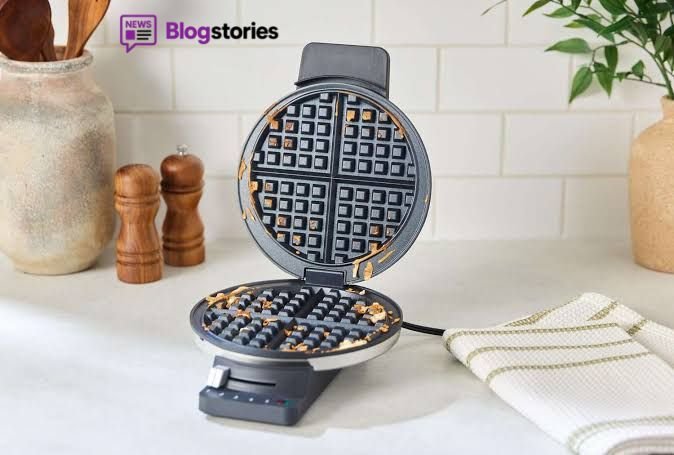
The best time to clean a waffle maker is after each use, once it has cooled. Start by opening the lid and gently brushing away loose crumbs. A dry paper towel or soft brush works well for this step.
Next, wipe the plates with a damp cloth. The cloth should be damp, not dripping wet. Focus on the grooves where batter and oil often collect. If there is light grease, press the cloth into the grooves and wipe slowly.
After cleaning the inside, wipe the outside surface. Handles, edges, and the drip area often collect batter splashes. Dry everything with a clean towel before closing and storing the appliance.
Cleaning Stuck Batter
Stuck batter should never be scraped with a knife or fork. Metal tools can leave scratches that damage the cooking surface. Instead, soften the residue first.
Place a warm, damp cloth over the stuck batter for a few minutes. This helps loosen the dried batter so it can be wiped away more easily. If needed, use a soft toothbrush or silicone spatula to lift the residue gently.
For very stubborn spots, add a few drops of cooking oil to the hardened batter and let it sit briefly. The oil can help soften the crust, making it easier to remove without force.
Deep Cleaning Method
A deep clean is useful when your waffle maker feels greasy, smells burnt, or has residue in the corners. Start with the appliance unplugged and cool. Remove all loose crumbs first.
Mix warm water with a small amount of mild dish soap, if your manual allows soap on the plates. Dip a cloth into the mixture, squeeze it well, and wipe the plates carefully. For tight corners, use cotton swabs or a soft toothbrush.
If the plates are removable and dishwasher-safe, you may clean them according to the manual. If they are not dishwasher-safe, wash them gently by hand and dry them fully before placing them back.
Natural Cleaning Options
Warm water is often enough for light cleaning. For oily buildup, a simple baking soda paste can help. Mix baking soda with a little water until it forms a soft paste, then apply it to greasy areas. Let it sit for a few minutes and wipe it away with a damp cloth.
Vinegar can be used carefully on some exterior surfaces, but avoid soaking the plates unless the manual says it is safe. Too much liquid can harm electrical parts or affect the non-stick coating.
The key is moderation. Natural cleaners are helpful, but the waffle maker should never be flooded with liquid.
Common Mistakes to Avoid
One of the biggest mistakes is using metal utensils to remove batter. This can scratch the non-stick coating and cause waffles to stick later.
Another mistake is washing the whole waffle maker under running water. Since it is an electrical appliance, water can get inside and create safety risks.
Also avoid closing the waffle maker while it is still damp. Trapped moisture can create odors and may affect the appliance over time. Always dry it fully before storage.
How Often to Clean It
You should do a light clean after every use. This means removing crumbs, wiping the plates, and cleaning any batter spills from the outside.
A deeper clean can be done every few weeks if you use the waffle maker often. If you only use it occasionally, deep clean it whenever you notice grease, burnt smell, or sticky plates.
Regular small cleaning is easier than waiting until the appliance becomes heavily stained.
Keeping It Cleaner Longer
Do not overfill the waffle maker with batter. Overflow is one of the main reasons waffle makers become messy. Pour slowly and use the right amount for your model.
Be careful with cooking sprays. Some sprays can leave a sticky film on non-stick surfaces. If your waffle maker needs oil, use a light amount with a brush or paper towel instead.
After cooking, leave the lid open while it cools. This helps moisture escape and makes cleaning easier.
When to Replace It
Even with good care, a waffle maker does not last forever. If the non-stick coating is peeling, it may be time to replace it. Peeling surfaces can make cleaning difficult and may affect food quality.
Uneven heating, burning smells, damaged cords, or loose parts are also signs to stop using the appliance. Safety should always come first.
Final Thoughts
Knowing how to clean a waffle maker properly helps you protect your appliance and enjoy better waffles every time. The process is simple: unplug it, let it cool, remove crumbs, wipe gently, clean the grooves, and dry it well.
With regular care, your waffle maker will stay cleaner, cook better, and last longer. A few minutes of cleaning after each use can save you from tough stains, sticky plates, and burnt batter later.
FAQs
1. Can I use soap to clean a waffle maker?
Yes, a small amount of mild dish soap can be used for deep cleaning if your waffle maker’s manufacturer allows it. Always use a soft cloth and avoid soaking the appliance in water.
2. How do I remove burnt batter from a waffle maker?
Let the waffle maker cool, then place a warm damp cloth over the burnt batter for a few minutes. This softens the residue and makes it easier to wipe away without damaging the plates.
3. Is it safe to wash a waffle maker under running water?
No. Most waffle makers contain electrical components and should never be submerged or rinsed under running water. Instead, clean the plates with a damp cloth.
4. How often should I clean my waffle maker?
A quick wipe-down should be done after every use. A more thorough cleaning is recommended every few weeks, depending on how frequently you use the appliance.
5. What should I avoid when cleaning a waffle maker?
Avoid metal utensils, abrasive scrubbers, and harsh chemicals. These can scratch the non-stick coating and reduce the performance of your waffle maker over time.