





What Is a Smart Home? A Simple Guide for Beginners
Smart technology has become part of everyday life. From smartphones and smart TVs to voice assistants and connected appliances, technology is changing how people interact with their homes. One of the most popular developments in recent years is the smart home.
For many beginners, the concept may seem complicated or expensive. However, modern smart homes can be surprisingly simple and accessible. Whether you want better security, greater convenience, or improved energy efficiency, understanding smart home technology is the first step.
This guide explains what is a smart home, how it works, its benefits, common devices, potential challenges, and whether it is the right choice for you.
BIO
| Label | Information |
|---|---|
| Topic | What Is a Smart Home |
| Type | Connected Home Technology |
| Purpose | Automate daily tasks |
| Main Function | Control devices remotely |
| Internet Required | Usually yes |
| Key Technology | Internet of Things (IoT) |
| Common Devices | Lights, locks, cameras |
| Control Methods | App, voice, automation |
| Major Benefit | Convenience and efficiency |
| Security Features | Smart locks and cameras |
| Energy Savings | Reduces unnecessary usage |
| Popular Platforms | Alexa, Google Home, HomeKit |
| Best For | Homeowners and beginners |
What Is a Smart Home?
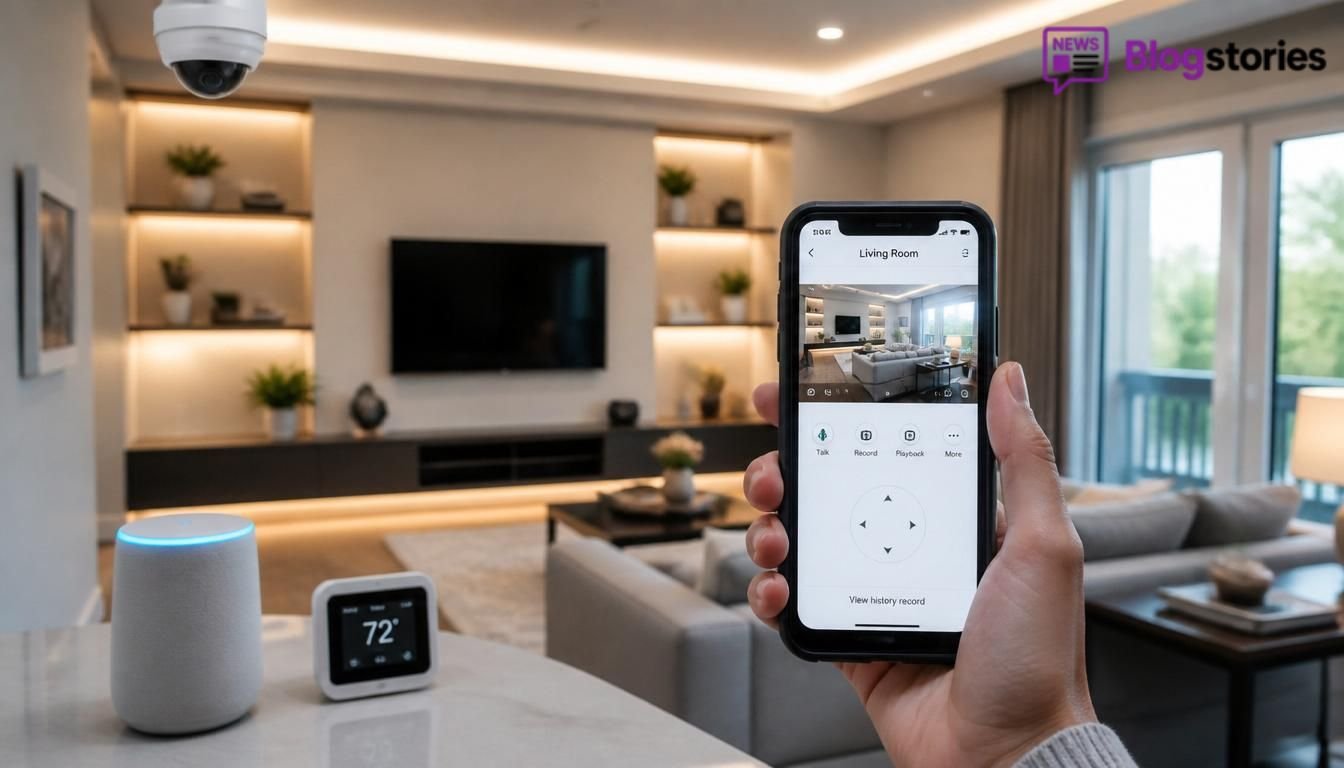
A smart home is a residence equipped with internet-connected devices that can communicate with each other and be controlled remotely. These devices are designed to automate tasks, improve convenience, increase security, and make daily living more efficient.
Instead of manually adjusting lights, locking doors, or controlling appliances, homeowners can use a smartphone app, voice command, or automated schedule to manage these functions.
The idea behind a smart home is simple: connected devices work together to create a more comfortable and responsive living environment.
For example, a smart home can automatically turn off lights when no one is in a room, adjust the temperature before you arrive home, or send alerts if unusual activity is detected outside your property.
How a Smart Home Works
At the heart of every smart home is connectivity. Most smart devices connect to a home’s Wi-Fi network and communicate through apps, cloud services, or central hubs.
When a device is connected, users can control it from their smartphone, tablet, computer, or voice assistant.
A typical smart home system includes:
- Internet-connected devices
- A wireless network
- Mobile applications
- Voice assistants
- Automation settings
For example, you might set a routine where your lights turn on automatically at sunset, the thermostat adjusts to a comfortable temperature, and the security system activates before bedtime.
These automated actions reduce manual effort while improving comfort and efficiency.
Main Components of a Smart Home
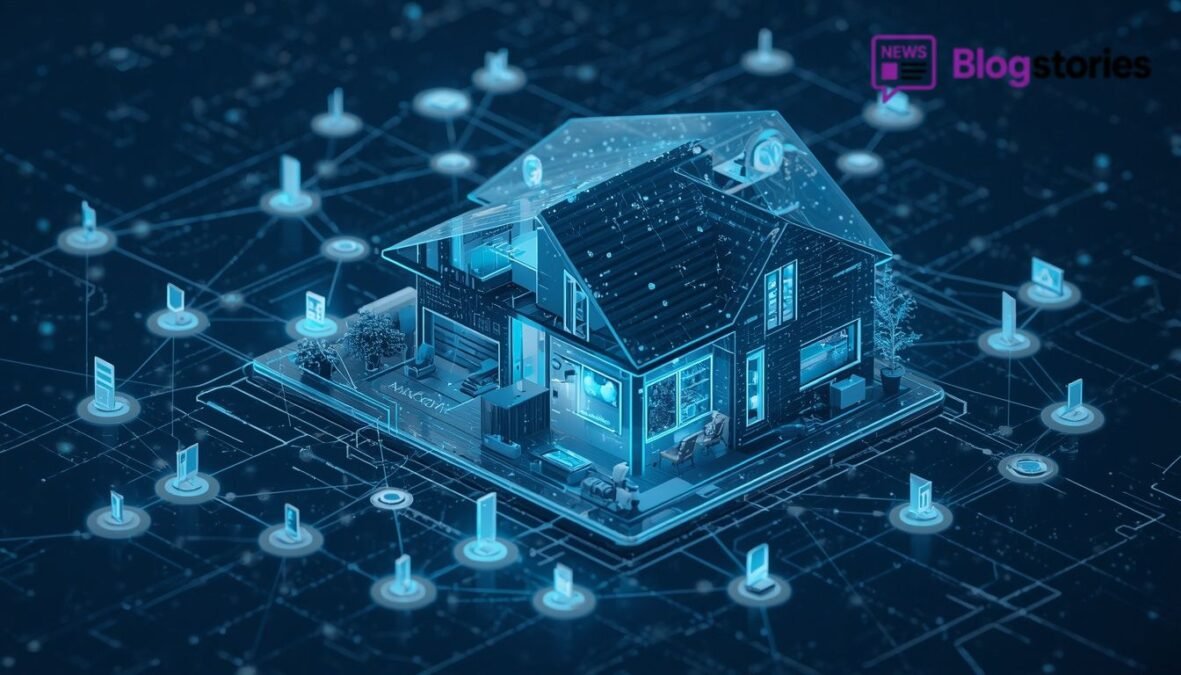
A smart home is made up of various devices that serve different purposes. Each device contributes to creating a connected living environment.
Smart Speakers and Voice Assistants
Smart speakers are often the starting point for many homeowners. Devices powered by voice assistants allow users to control multiple smart products using simple voice commands.
You can ask a voice assistant to play music, provide weather updates, set reminders, control lighting, or manage connected devices throughout the home.
Voice control makes technology more accessible and convenient for people of all ages.
Smart Lighting
Smart lighting systems allow homeowners to control lights remotely or automate them based on schedules and conditions.
For example, lights can turn on when someone enters a room or switch off automatically when the house is empty.
Many smart bulbs also offer brightness adjustments and color-changing features, allowing users to customize the atmosphere of their living spaces.
Smart Thermostats
Heating and cooling systems account for a significant portion of household energy use. Smart thermostats help manage temperature more efficiently.
These devices learn user preferences, adjust temperatures automatically, and can be controlled remotely.
As a result, homeowners often enjoy improved comfort while reducing unnecessary energy consumption.
Smart Security Devices
Security is one of the biggest reasons people invest in smart home technology.
Smart security devices include:
- Security cameras
- Video doorbells
- Motion detectors
- Smart locks
- Alarm systems
These tools allow homeowners to monitor their property from virtually anywhere. Real-time notifications and remote access provide additional peace of mind.
Smart Appliances
Many household appliances now include smart features.
Examples include:
- Refrigerators
- Washing machines
- Dishwashers
- Ovens
- Robot vacuum cleaners
These appliances can send maintenance alerts, support remote control functions, and improve overall efficiency.
Key Features of a Smart Home
Smart homes are defined by several important features that make them different from traditional homes.
Remote Access
One of the most attractive benefits is the ability to control devices from anywhere.
Whether you’re at work, traveling, or simply relaxing in another room, you can access connected devices through a smartphone app.
Voice Control
Voice assistants have transformed how people interact with technology.
Simple voice commands can control lights, music, thermostats, and even household routines.
Automation
Automation allows devices to perform tasks without manual intervention.
For example, lights can turn on automatically when motion is detected, or blinds can close during the hottest part of the day.
Energy Management
Many smart devices are designed to reduce energy waste.
Users can monitor electricity usage, optimize heating and cooling schedules, and identify opportunities for savings.
Enhanced Security
Smart security systems provide real-time monitoring, alerts, and remote access to cameras and locks.
This added visibility helps homeowners respond quickly to potential issues.
Device Integration
Perhaps the most impressive feature of a smart home is integration.
Multiple devices can work together as a unified system, creating seamless experiences throughout the home.
Benefits of Having a Smart Home
The growing popularity of smart homes is driven by the many benefits they offer.
Greater Convenience
Smart technology simplifies everyday tasks.
Instead of manually adjusting multiple devices, homeowners can automate routines and control systems from a single platform.
This convenience saves time and reduces effort.
Improved Security
Modern smart security solutions provide homeowners with better awareness and control over their property.
Features such as live video feeds, instant alerts, and remote locking systems help strengthen home security.
Better Energy Efficiency
Energy efficiency is one of the most practical advantages of smart home technology.
Automated systems ensure devices operate only when needed, reducing waste and lowering utility costs.
Increased Comfort
Smart homes create more personalized living environments.
Whether adjusting room temperature, lighting, or entertainment settings, users can tailor their surroundings to suit their preferences.
Potential Cost Savings
While some smart devices require an initial investment, energy savings and improved efficiency can help offset costs over time.
Many homeowners find that the long-term benefits justify the expense.
Common Examples of Smart Home Devices
There are countless smart devices available today, ranging from basic gadgets to advanced systems.
Popular examples include:
- Smart bulbs
- Smart plugs
- Smart thermostats
- Smart cameras
- Video doorbells
- Smart locks
- Smart speakers
- Robot vacuum cleaners
- Smart smoke detectors
- Smart irrigation systems
Many homeowners start with a few devices and gradually expand their smart home setup over time.
How to Build a Smart Home for Beginners
Starting a smart home does not require a large budget or technical expertise.
The best approach is to begin with a single device and expand gradually.
A smart speaker or smart lighting system is often a practical starting point because it provides immediate benefits and introduces users to smart home technology.
Choosing a compatible ecosystem is also important. Devices that work together smoothly create a better user experience.
A reliable Wi-Fi network is equally essential. Since most smart devices depend on internet connectivity, strong coverage throughout the home helps ensure consistent performance.
Building slowly allows homeowners to learn how devices work while avoiding unnecessary expenses.
Popular Smart Home Ecosystems
Several major technology companies offer smart home ecosystems.
Amazon Alexa
Alexa supports a wide range of devices and is known for its extensive compatibility.
Many homeowners choose Alexa because it integrates with numerous third-party products.
Google Home
Google Home offers strong voice recognition and integrates well with Google services.
Users who rely heavily on Google’s ecosystem often find it a natural fit.
Apple HomeKit
HomeKit focuses heavily on privacy and security.
Apple users appreciate its seamless integration with iPhones, iPads, and other Apple devices.
Each ecosystem has strengths and limitations, so the best choice depends on individual preferences and existing technology.
Are Smart Homes Safe?
Safety and privacy are important considerations when using connected devices.
Smart homes can be highly secure when proper precautions are taken. However, any internet-connected device carries potential cybersecurity risks.
To improve security, homeowners should:
- Use strong passwords
- Enable two-factor authentication
- Update software regularly
- Secure home Wi-Fi networks
- Purchase devices from reputable manufacturers
Taking these steps significantly reduces the likelihood of unauthorized access.
Privacy is another concern. Users should understand what data devices collect and review privacy settings carefully.
Smart Home Costs
The cost of a smart home varies greatly depending on the number and type of devices installed.
A basic setup may include:
- Smart speaker
- Smart bulbs
- Smart plugs
This entry-level approach can be relatively affordable.
Mid-range systems may add security cameras, smart locks, and thermostats.
Advanced smart homes often include whole-home automation, integrated entertainment systems, motorized blinds, and comprehensive security solutions.
The good news is that smart homes can be built gradually, allowing homeowners to expand according to their needs and budget.
Challenges and Limitations
Although smart homes offer many advantages, they are not without challenges.
Internet dependence remains one of the biggest limitations. If the internet connection fails, certain features may become unavailable.
Compatibility issues can also arise when devices from different manufacturers do not work well together.
Some users may experience a learning curve during setup and configuration.
Additionally, upfront costs can be higher than traditional alternatives, particularly for advanced systems.
Understanding these limitations helps homeowners make informed decisions before investing.
The Future of Smart Homes
Smart home technology continues to evolve rapidly.
Artificial intelligence is expected to play an increasingly important role in future systems. Devices will become better at understanding user habits and making intelligent decisions automatically.
Energy management will also become more advanced, helping homeowners reduce waste and support sustainability goals.
As internet-connected devices become more sophisticated, smart homes will likely offer greater personalization, improved security, and more seamless automation.
The integration of smart technology into everyday living is expected to continue growing for many years.
Is a Smart Home Worth It?
For many people, the answer is yes.
A smart home can provide convenience, security, energy savings, and improved comfort. The ability to automate routine tasks and monitor home systems remotely offers practical benefits that many homeowners appreciate.
However, the value depends on individual needs, lifestyle, and budget.
Someone interested in security may prioritize cameras and smart locks, while another person may focus on energy efficiency through smart thermostats and lighting.
The flexibility of modern smart home technology means there is a solution for nearly every household.
Conclusion
Understanding what is a smart home is easier than ever. A smart home uses connected devices to automate tasks, improve efficiency, enhance security, and provide greater convenience.
From smart lighting and thermostats to security cameras and voice assistants, these technologies are changing how people interact with their homes. While there are costs and challenges to consider, the benefits often outweigh the drawbacks for many households.
For beginners, the best approach is to start small, choose compatible devices, and gradually build a system that fits personal needs and preferences. As technology continues to advance, smart homes are becoming more accessible, practical, and valuable than ever before.
Frequently Asked Questions (FAQs)
What is a smart home in simple terms?
A smart home is a house that uses internet-connected devices to automate and control functions such as lighting, security, heating, and appliances from a smartphone or voice assistant.
Do I need Wi-Fi for a smart home?
Most smart home devices require a stable Wi-Fi connection to communicate, receive updates, and allow remote access through mobile apps.
Is a smart home expensive to set up?
Not necessarily. Many people start with affordable devices like smart bulbs or smart speakers and gradually expand their smart home system over time.
Are smart home devices secure?
Smart home devices can be secure when users follow good security practices, such as using strong passwords, enabling two-factor authentication, and keeping software updated.
What are the benefits of a smart home?
A smart home offers convenience, improved security, better energy efficiency, remote control of devices, and a more comfortable living environment.