





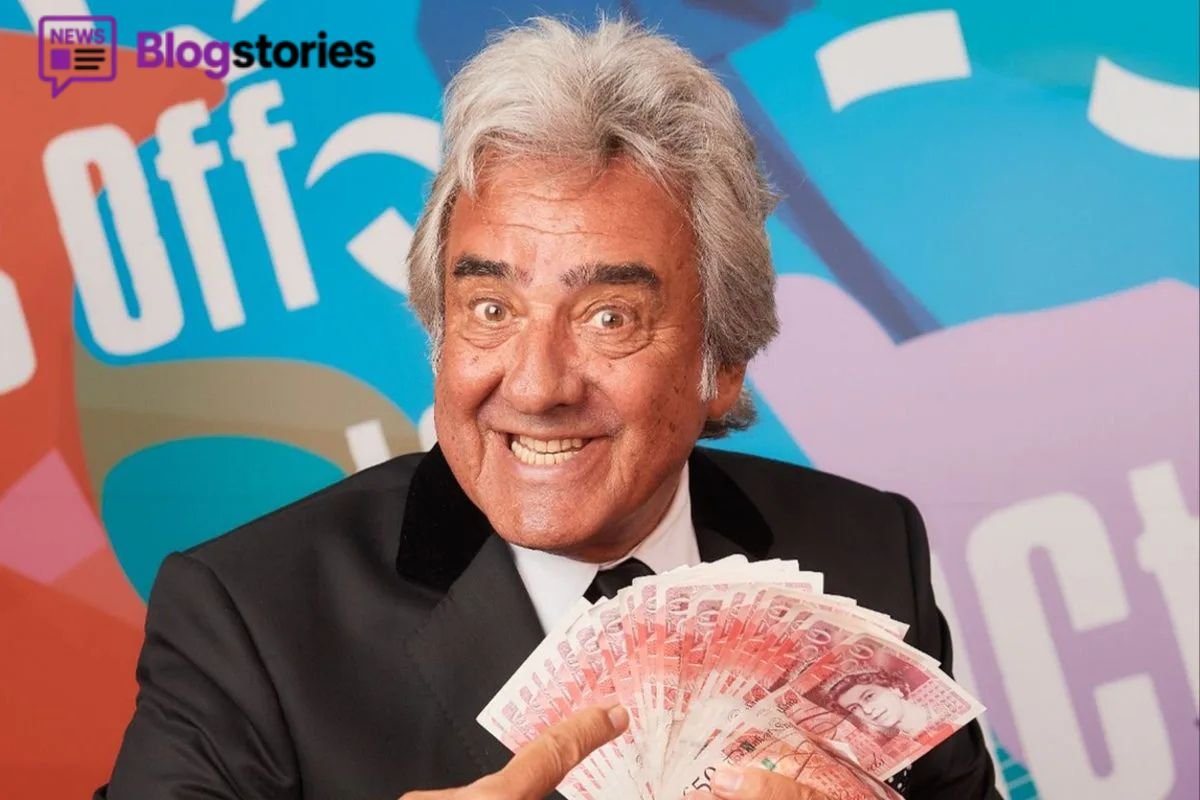
David Dickinson Career Highlights You Should Know About
Introduction
David Dickinson is one of the most recognizable faces in British television history. Known for his love of antiques, distinctive style, deep tan, and unforgettable catchphrases, he transformed daytime television into something entertaining, educational, and surprisingly exciting. Over the years, millions of viewers have watched him guide contestants through antique fairs, negotiate deals, and uncover hidden treasures that many people never realized had value.
What makes David Dickinson stand out is not only his television presence but also his genuine expertise in antiques. Before becoming a television star, he spent decades building experience as a respected antiques dealer. His knowledge, combined with a natural ability to connect with audiences, helped him become a household name across the United Kingdom.
From Bargain Hunt to Dickinson’s Real Deal, his career has remained relevant for decades. His influence on antiques television is still visible today, and many modern daytime auction programs owe part of their success to the path he created. This article explores David Dickinson’s biggest career highlights, his rise to fame, and the lasting impact he has had on British television and the antiques industry.
BIO
| Label | Information |
|---|---|
| Full Name | David Dickinson |
| Birth Name | David Gulesserian |
| Birth Year | 1941 |
| Birthplace | Cheshire, England |
| Nationality | British |
| Profession | TV Presenter and Antiques Expert |
| Famous For | Bargain Hunt |
| Popular ITV Show | Dickinson’s Real Deal |
| Industry | Television and Antiques |
| Known Style | Unique fashion and catchphrases |
| Years Active | Several decades |
| Marital Status | Married |
| Legacy | Icon of British daytime TV |
Early Life and Passion for Antiques
David Dickinson was born as David Gulesserian in Cheshire, England, in 1941. His early life was far from glamorous, and he experienced several personal struggles while growing up. However, those difficult years eventually shaped his determination and work ethic.
Long before television cameras followed him around auction halls, Dickinson was deeply involved in the antiques business. He developed a passion for collecting and trading antiques at a young age and slowly built a reputation within the industry. By the 1970s and 1980s, he had already become a respected antiques dealer known for his eye for quality pieces and valuable collectibles.
Unlike many television personalities who rely mainly on entertainment skills, Dickinson brought real-world experience to the screen. His years spent dealing with furniture, silverware, decorative art, and rare collectibles gave him credibility with audiences and collectors alike.
His journey from antiques dealer to television celebrity is one of the reasons viewers connected with him so strongly. People saw someone who genuinely understood the business rather than simply presenting a scripted program.
The Television Breakthrough
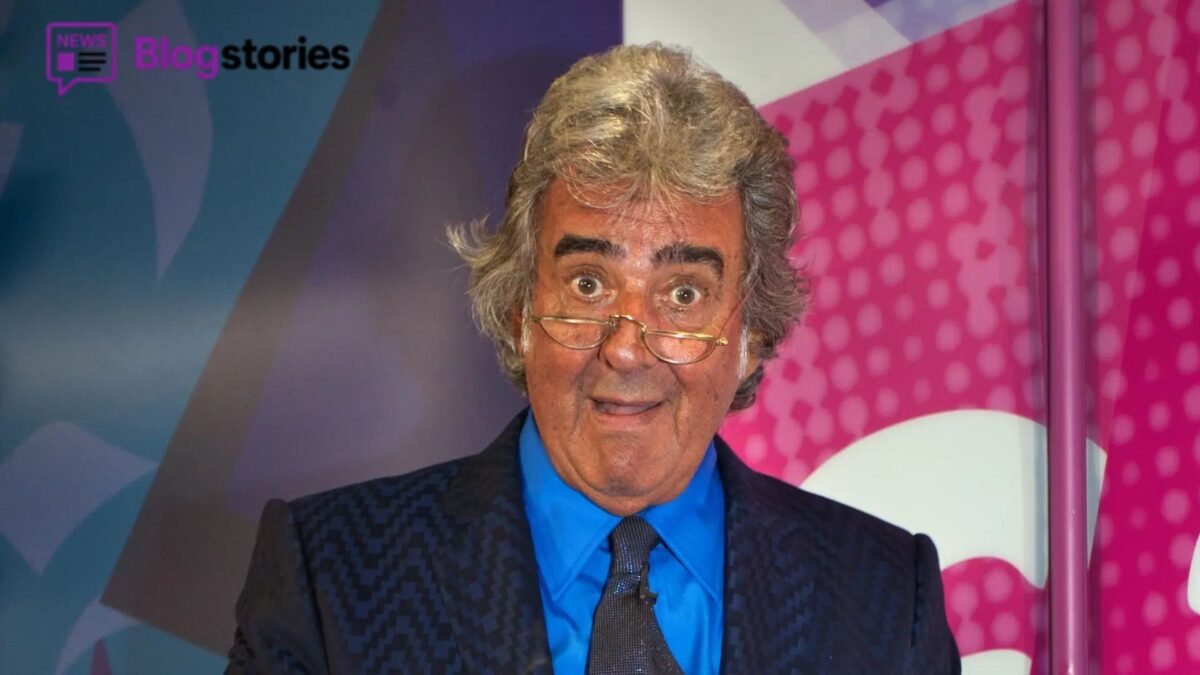
David Dickinson’s career changed dramatically during the late 1990s when he began appearing as an antiques expert on British television. His early appearances on programs such as This Morning and The Antiques Show introduced audiences to his energetic personality and extensive knowledge of antiques.
Television producers quickly realized that Dickinson had something unique. He could explain antiques in a way that ordinary viewers could understand while also making the subject entertaining. At a time when antiques programming was often seen as formal or overly academic, Dickinson brought warmth, humor, and excitement to the genre.
His confidence in front of the camera, combined with his memorable appearance and speaking style, made him impossible to ignore. That growing popularity soon led to the role that would completely transform his career.
Success With Bargain Hunt
One of the biggest moments in David Dickinson’s career came in 2000 when he became the original host of the BBC program Bargain Hunt. The show challenged contestants to purchase antiques within a budget and later sell them at auction for a profit.
The concept was simple, but Dickinson’s personality turned it into a massive success. He guided contestants through antique fairs with enthusiasm and humor while educating viewers about collectibles and auction strategies. His ability to make antiques fun for everyday audiences played a major role in the show’s popularity.
During his years on Bargain Hunt, Dickinson became famous for catchphrases such as “cheap as chips” and “a real bobby-dazzler.” These expressions became part of British pop culture and helped define his television identity.
The program became one of the BBC’s most successful daytime shows, attracting loyal viewers across different generations. Dickinson’s work on the show also earned industry recognition, including a National Television Award for the program in 2002.
Many people still associate David Dickinson most strongly with Bargain Hunt, even years after his departure from the series.
Leaving the BBC and Moving to ITV
After several successful years with the BBC, David Dickinson decided to leave Bargain Hunt and move toward new opportunities. In 2005, he departed from the BBC and later joined ITV, where he launched a completely new antiques program called Dickinson’s Real Deal.
For many television personalities, changing networks can be risky. However, Dickinson successfully carried his audience with him. Viewers remained interested because they trusted his expertise and enjoyed his entertaining style.
The move to ITV proved to be one of the smartest decisions of his career.
Dickinson’s Real Deal Became a Huge Hit
In 2006, Dickinson’s Real Deal officially premiered on ITV. The show featured members of the public bringing antiques and collectibles to professional dealers for valuation and potential purchase. Sellers could either accept the dealer’s cash offer or take their chances at auction.
The format allowed Dickinson to showcase both his antiques expertise and his ability to entertain viewers. He often stepped into negotiations, encouraged sellers to push for better offers, and added excitement to every deal.
What made the show successful was its balance between education and entertainment. Viewers learned about antiques while also enjoying the tension of negotiations and auctions.
Over time, Dickinson’s Real Deal became one of ITV’s most popular daytime programs. The series continued for many years and produced more than one thousand episodes, proving Dickinson’s lasting popularity with audiences.
The show also introduced viewers to numerous antique experts and dealers who later became television personalities themselves.
His Unique Television Style
One reason David Dickinson achieved long-term success is because he developed a television personality unlike anyone else in British broadcasting.
His flamboyant suits, polished shoes, dramatic presentation style, and instantly recognizable tan helped create a memorable public image. Many fans affectionately referred to him as “The Duke,” a nickname that became closely associated with his brand.
However, his appeal went beyond appearance. Dickinson had a natural ability to make viewers feel included. Whether he was discussing expensive antiques or simple household collectibles, he explained everything in a friendly and accessible way.
He also knew how to create excitement around ordinary objects. A small porcelain figure or vintage watch suddenly became fascinating when Dickinson described its history and value.
That talent helped transform antiques television into mainstream entertainment.
Other Television Appearances
Although antiques shows defined most of his career, David Dickinson also appeared on several other television programs throughout the years.
He hosted The David Dickinson Show, a daytime chat series that further expanded his television presence. Later, he also presented David Dickinson’s Name Your Price, another ITV program connected to valuations and collectibles.
Beyond hosting duties, Dickinson became a familiar guest on British entertainment television. He participated in reality shows, comedy appearances, and celebrity specials, including Strictly Come Dancing and I’m a Celebrity…Get Me Out of Here!.
These appearances showed audiences a different side of his personality and helped keep him relevant beyond antiques programming.
His willingness to step outside his comfort zone demonstrated confidence and adaptability, qualities that helped extend his television career for decades.
Influence on Antiques Television
David Dickinson played a major role in changing how antiques were presented on television. Before his rise to fame, antiques programming often targeted niche audiences or serious collectors.
Dickinson helped make the subject entertaining for ordinary viewers. He brought humor, storytelling, personality, and emotional connection into the format. Instead of focusing only on rare museum-quality items, he showed audiences that interesting antiques could be found almost anywhere.
His influence can still be seen in many modern antiques and auction shows. Programs that combine expert valuations with entertainment owe much of their success to the style Dickinson popularized.
He also inspired greater public interest in auctions, collectibles, and vintage items. Many viewers became interested in antiques because of his programs, leading to increased popularity for fairs, auctions, and collectible markets across Britain.
Awards and Recognition
Over the years, David Dickinson earned significant respect within both television and antiques circles. While he may not have followed the traditional route of television presenters, his impact on daytime broadcasting became undeniable.
The success of Bargain Hunt and Dickinson’s Real Deal turned him into one of Britain’s best-known television personalities. He became admired not only for his entertainment value but also for his knowledge and authenticity.
His programs consistently attracted strong daytime audiences, and his popularity remained remarkably stable over many years.
Few television personalities manage to remain relevant across multiple decades, but Dickinson successfully adapted to changing audiences while maintaining the same charm that made him famous in the first place.
Personal Life and Family
Despite his fame, David Dickinson has generally kept his personal life relatively private. He married his wife, Lorne Lesley, in 1968, and the couple built a long-lasting relationship away from constant media attention.
The pair have two children and several grandchildren. Dickinson has often spoken warmly about his family and the importance of maintaining balance outside television.
His stable family life may be one reason he managed the pressures of fame so successfully. While many television personalities experience dramatic public controversies, Dickinson largely maintained a positive public image throughout his career.
David Dickinson’s Lasting Legacy
David Dickinson’s career is about far more than antiques. His success represents the power of personality, expertise, and authenticity in television.
He proved that educational programming could still entertain mass audiences. He transformed daytime antiques shows into mainstream viewing and became one of the defining figures of British daytime television.
Even after decades in the industry, his catchphrases, style, and television moments remain instantly recognizable to audiences throughout the UK.
His influence continues through the many antiques experts, auction presenters, and daytime hosts who followed the path he helped create.
Lessons From His Career
David Dickinson’s journey offers several valuable lessons.
First, expertise matters. His deep knowledge of antiques gave him credibility that audiences trusted.
Second, personality can transform even niche subjects into mainstream entertainment. Dickinson showed that enthusiasm and storytelling could make antiques exciting for millions of viewers.
Third, reinvention is possible at any stage of life. Dickinson became a television superstar later in life after already spending decades in the antiques trade.
Finally, consistency matters. For years, he maintained the same energy, style, and passion that audiences first fell in love with.
Conclusion
David Dickinson remains one of the most iconic personalities in British television history. From his early years as an antiques dealer to his unforgettable success on Bargain Hunt and Dickinson’s Real Deal, he built a career based on expertise, charisma, and genuine passion for antiques.
His influence on daytime television cannot be overstated. He helped make antiques entertaining for mainstream audiences and inspired countless viewers to appreciate the stories behind collectibles and historical objects.
Even today, David Dickinson continues to be remembered as a true television original. His career highlights demonstrate not only professional success but also the lasting impact one personality can have on an entire genre of television.
FAQs About David Dickinson
Who is David Dickinson?
David Dickinson is a British television presenter and antiques expert best known for hosting popular shows like Bargain Hunt and Dickinson’s Real Deal. He became famous for his knowledge of antiques and his unique television personality.
What made David Dickinson famous?
David Dickinson gained national attention through the BBC show Bargain Hunt. His entertaining style, expert advice, and memorable catchphrases helped make the program one of Britain’s most popular daytime shows.
Is David Dickinson still involved in television?
Although he appears less frequently than before, David Dickinson remains a respected figure in British television and antiques entertainment. His shows continue to be remembered by longtime fans.
What is David Dickinson known for in the antiques world?
He is known for helping make antiques more accessible to everyday viewers. His expertise in valuations and collectibles helped inspire public interest in auctions and vintage treasures.
What is David Dickinson’s most successful TV show?
Dickinson’s Real Deal is considered one of his biggest television successes. The ITV series became highly popular and ran for many years with thousands of memorable deals and valuations.