





Dirty Old Town Lyrics and Meaning: Everything You Should Know
Introduction
Few folk songs have achieved the lasting popularity of Dirty Old Town. For decades, audiences around the world have sung it in pubs, concert halls, football stadiums, and folk festivals. Many listeners associate the song with Ireland because of famous recordings by The Dubliners and The Pogues, yet its origins tell a very different story.
The Dirty Old Town lyrics paint a vivid picture of industrial life, lost beauty, working-class struggles, and personal longing. Beneath its simple melody lies a rich narrative that continues to resonate with listeners generations after it was first written.
In this article, we explore the history, meaning, symbolism, and cultural impact of one of folk music’s most enduring classics.
BIO
| Label | Information |
|---|---|
| Song Title | Dirty Old Town |
| Written By | Ewan MacColl |
| Year Written | 1949 |
| Song Type | Folk Song |
| Original Purpose | Written for a stage play |
| Inspired By | Salford, England |
| Main Theme | Life in an industrial town |
| Key Topics | Love, nostalgia, and hardship |
| Setting | Working-class urban area |
| Famous Versions | The Dubliners, The Pogues |
| Cultural Impact | Folk music classic |
| Lasting Appeal | Relatable and timeless message |
| Genre | Folk / Traditional Folk |
What Are the Dirty Old Town Lyrics About?
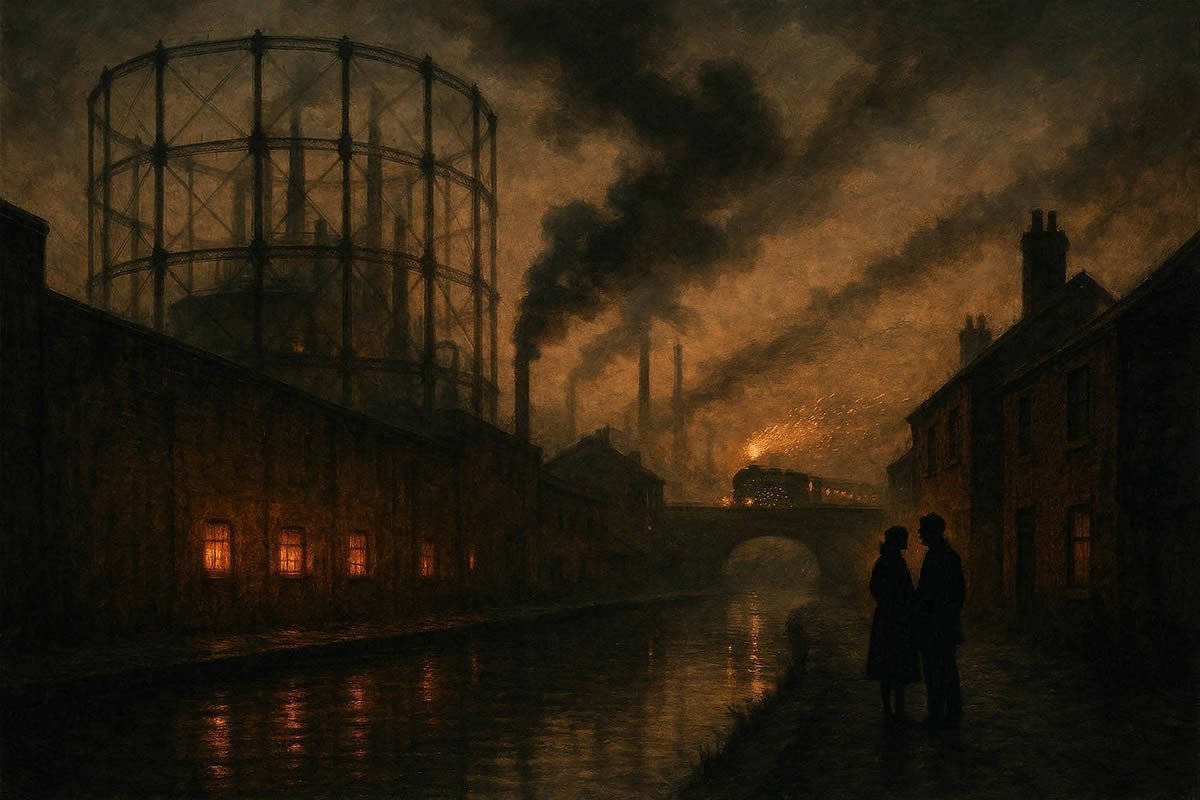
At first glance, the song appears to be a straightforward portrait of an industrial town. The narrator describes canals, factory walls, docks, trains, and smoky skies. These images create a setting that feels worn, gritty, and shaped by industry.
However, the song is more than a description of urban life. It combines romance, nostalgia, frustration, and hope. The narrator moves through a landscape marked by factories and pollution while reflecting on love and dreams.
This contrast between beauty and hardship gives the song much of its emotional power. The town may be dirty and neglected, but it remains deeply connected to the narrator’s memories and identity.
The result is a song that feels both personal and universal.
Who Wrote Dirty Old Town?
Dirty Old Town was written by Ewan MacColl in 1949. MacColl was one of the most influential figures in the British folk revival and is also known for writing several other notable songs. The song was originally created for his stage play Landscape with Chimneys, which was set in an industrial town in northern England.
MacColl was born and raised in Salford, a town near Manchester. His experiences growing up in an industrial environment strongly influenced his writing. The factories, canals, gasworks, and working-class neighborhoods he knew as a child became central images in the song.
Although MacColl likely never imagined the song would become a global folk standard, it eventually became one of his most celebrated works.
The Inspiration Behind the Song
The town that inspired the song was not fictional. It was based largely on Salford, a place heavily shaped by industrial development during the nineteenth and twentieth centuries.
During MacColl’s youth, the area was filled with factories, railways, canals, docks, and gasworks. While these industries provided employment, they also brought pollution and harsh living conditions.
The song captures both affection and disappointment. MacColl was not simply criticizing his hometown. Instead, he was expressing a complicated relationship with a place that shaped his identity.
This emotional complexity helps explain why the song still feels relevant today.
Dirty Old Town Lyrics Meaning Explained
The true meaning of the song emerges through its imagery and symbolism.
On one level, the lyrics describe daily life in an industrial town. On another, they reflect the emotional experience of living in an environment marked by economic hardship and physical decline.
The narrator observes a landscape filled with smoke, machinery, and industrial noise. Yet moments of beauty appear throughout the song. Love, dreams, and memories exist alongside factories and polluted air.
This balance between darkness and hope gives the song its lasting appeal.
Rather than presenting a simple complaint about urban life, the song explores how people find meaning and connection even in difficult circumstances.
Symbolism of the “Dirty Old Town”
The phrase “dirty old town” represents more than a physical location.
It symbolizes industrial society itself. The town becomes a reflection of economic change, working-class experience, and the challenges faced by communities built around manufacturing industries.
For some listeners, the town represents lost opportunities. For others, it symbolizes resilience and endurance.
The town is simultaneously flawed and beloved. This duality is one reason the song resonates so strongly across different cultures and generations.
Many people recognize similar feelings toward their own hometowns. Places can be imperfect yet still hold deep emotional significance.
Love and Escape in the Song
One of the most overlooked aspects of the Dirty Old Town lyrics is the role of romance.
Throughout the song, love appears against a backdrop of factories and canals. These moments soften the harsh industrial imagery and remind listeners that human relationships remain important regardless of circumstances.
The romantic elements also introduce the idea of escape. Dreams and relationships offer a way to imagine something beyond the limitations of the town.
This theme makes the song more than a social observation. It becomes a deeply human story about finding hope in difficult surroundings.
The emotional connection between place and memory is central to the song’s enduring power.
Social Commentary and Working-Class Identity
Many critics view the song as a subtle form of social commentary.
MacColl grew up in a working-class environment and frequently wrote about ordinary people. Rather than focusing on political slogans, he used everyday experiences to reveal larger social realities.
The factories, docks, and industrial infrastructure mentioned in the song reflect the economic forces shaping northern England during the mid-twentieth century.
The song acknowledges the difficulties of industrial life without reducing the people who lived there to victims.
Instead, it highlights their dignity, resilience, and humanity.
A Closer Look at the Imagery
One reason the song remains memorable is its powerful imagery.
The references to canals, factory walls, trains, docks, and gasworks immediately create a recognizable setting. These are not abstract ideas. They are physical details drawn from real locations and experiences.
The industrial landscape almost becomes a character in the story.
Smoke-filled skies and mechanical sounds create a sense of confinement. Yet natural images occasionally break through, suggesting renewal and possibility.
This contrast between industry and nature strengthens the emotional impact of the song.
Listeners can visualize the environment while also sensing the narrator’s deeper feelings.
Historical Background
To fully understand the song, it helps to consider the historical context.
By the mid-twentieth century, many industrial towns in northern England faced significant challenges. Manufacturing remained important, but economic and social changes were already beginning to reshape these communities.
Factories dominated daily life. Pollution was common, and many neighborhoods struggled with poor housing conditions.
MacColl’s song captures this environment with remarkable authenticity.
Rather than presenting history through statistics or political arguments, the song communicates what it felt like to live in such a place.
That emotional authenticity explains why the song continues to connect with audiences decades later.
The Connection to Salford
Although many people assume the song refers to Ireland, it was actually inspired by Salford in England.
Several references within the song point toward locations and features associated with Salford’s industrial landscape. Researchers and historians have identified connections to local canals, gasworks, and other landmarks.
Interestingly, some original wording was later modified after criticism from local authorities who disliked the negative portrayal of the town.
Today, however, Salford proudly embraces its connection to the song, recognizing it as an important part of the city’s cultural heritage.
Artists Who Made the Song Famous
Although MacColl wrote the song, other performers helped transform it into a worldwide classic.
The Dubliners played a major role in introducing the song to larger audiences during the folk revival of the 1960s. Their interpretation brought warmth and accessibility while maintaining the song’s emotional depth.
The Pogues later recorded a version that became particularly influential. Their passionate performance introduced the song to a new generation and strengthened its association with Irish folk music.
Other artists, including Rod Stewart, also recorded notable versions. Over time, countless musicians have added their own interpretations.
Why the Song Remains Popular
Many songs fade with time, but Dirty Old Town continues to attract new listeners.
One reason is its universal themes. Nearly everyone has complex feelings about the places they come from. Hometowns often inspire pride, frustration, nostalgia, and affection all at once.
The song captures these emotions with remarkable honesty.
Its imagery is specific enough to feel real yet broad enough for listeners to apply to their own experiences.
The melody also contributes to its appeal. It is memorable, emotionally expressive, and easy for audiences to sing together.
These qualities have helped the song remain a favorite for more than seventy years.
Interesting Facts About Dirty Old Town
Several fascinating facts surround the song’s history.
Many people mistakenly believe it is a traditional folk song. In reality, it has a known author and a documented origin.
The song was originally written for a theatrical production rather than as a standalone musical work.
It is often associated with Ireland despite being inspired by an English town. This perception largely developed because of recordings by Irish performers.
The song has also become closely linked with football culture and community events in several regions.
These details demonstrate how songs can evolve far beyond their original purpose.
Common Misconceptions
One common misconception is that the song is about Dublin.
While Irish performers helped popularize it, the song’s roots lie firmly in Salford, England.
Another misconception is that the song celebrates industrial life. In reality, its message is more complex. It recognizes both the hardships and emotional attachments associated with industrial communities.
Some listeners also assume the song is much older than it actually is because it feels like a traditional folk ballad.
Its timeless quality often causes people to forget that it was written by a specific songwriter in 1949.
Conclusion
The Dirty Old Town lyrics continue to captivate audiences because they combine personal emotion, social observation, and unforgettable imagery. What began as a song for a stage play evolved into one of the most beloved works in modern folk music.
Ewan MacColl transformed memories of industrial Salford into a story that speaks to listeners around the world. The song explores love, identity, hardship, nostalgia, and hope without losing its sense of place.
More than seventy years after it was written, Dirty Old Town remains a powerful reminder that even imperfect places can leave a lasting mark on the people who call them home.
FAQs
What is the meaning of Dirty Old Town lyrics?
The Dirty Old Town lyrics describe life in an industrial town while exploring themes of love, nostalgia, hardship, and hope. The song reflects both affection and frustration toward the place it portrays.
Who wrote Dirty Old Town?
Dirty Old Town was written by Ewan MacColl in 1949. It was originally created for his stage play Landscape with Chimneys and later became a folk music classic.
Is Dirty Old Town based on a real place?
Yes. The song was inspired by Salford, an industrial town near Manchester in England, where Ewan MacColl spent much of his early life.
Why is Dirty Old Town so popular?
The song remains popular because of its timeless themes, memorable melody, and emotional portrayal of working-class life. Its message continues to resonate with listeners across generations.
Which version of Dirty Old Town is the most famous?
Several versions are well known, but recordings by The Dubliners and The Pogues are often considered the most influential and widely recognized.