





What Makes Kenilworth Castle So Famous in British History?
Introduction
Kenilworth Castle is one of the most remarkable historic landmarks in England. Located in Warwickshire, this impressive fortress has stood for more than 900 years and witnessed some of the most important moments in British history. From royal romances and political struggles to military conflicts and architectural achievements, the castle has played a significant role in shaping England’s past.
Today, visitors walk through its magnificent ruins and imagine the grandeur that once made it one of the most powerful castles in the kingdom. The story of Kenilworth Castle is not simply about stone walls and towers. It is a story of kings, queens, battles, ambition, and survival.
Its unique history, royal connections, and architectural beauty continue to attract history enthusiasts from around the world. Understanding what makes this castle so famous requires a journey through centuries of British history.
BIO
| Label | Information |
|---|---|
| Name | Kenilworth Castle |
| Location | Warwickshire, England |
| Type | Medieval Castle |
| Built | Early 12th Century |
| Founder | Geoffrey de Clinton |
| Historical Role | Royal Fortress and Residence |
| Famous For | Longest Siege in English History |
| Royal Connection | Queen Elizabeth I |
| Notable Figure | Robert Dudley, Earl of Leicester |
| Architectural Style | Norman and Tudor |
| Key Attraction | Great Tower and Gardens |
| Current Status | Historic Tourist Site |
| Managed By | English Heritage |
The Origins of Kenilworth Castle
The history of Kenilworth Castle began during the Norman period. Construction started in the early 12th century under Geoffrey de Clinton, a trusted royal official serving King Henry I. At the time, England was still strengthening Norman control, and castles were vital symbols of power and defense.
The castle was strategically positioned in the Midlands, making it an important stronghold for protecting surrounding territories. Its location also provided access to key trade routes and political centers.
Over the years, successive owners expanded and improved the fortress. What began as a military structure gradually evolved into one of England’s largest and most impressive castles. Massive walls, defensive towers, and extensive water defenses made it nearly impossible to attack successfully.
As the castle grew, so did its importance within the English kingdom. It became a center of military power, noble influence, and royal attention.
A Castle Closely Linked to the Crown
One of the reasons Kenilworth Castle remains famous is its strong connection to the English monarchy. Several kings and nobles used the castle throughout the medieval period.
The fortress often served as a royal residence where monarchs could stay while traveling across the country. It provided both security and luxury, making it an attractive location for royal visits.
Throughout its history, the castle hosted important political meetings and diplomatic discussions. Decisions made within its walls influenced national affairs and helped shape England’s future.
Royal ownership also brought significant investment. Kings and noble families continually improved the property, ensuring it reflected their wealth and status. These enhancements transformed Kenilworth from a defensive fortress into a prestigious royal palace.
Its close relationship with the crown elevated its reputation and ensured its place in British history.
The Longest Siege in English History
Perhaps the most dramatic chapter in the story of Kenilworth Castle occurred during the 13th century.
In 1266, the castle became the center of a major conflict following the Second Barons’ War. Supporters of Simon de Montfort opposed King Henry III and sought greater influence over royal authority.
After the defeat of rebel forces, many resistance fighters retreated to Kenilworth Castle. The fortress became their final stronghold against the king.
What followed was the longest siege in English history. The siege lasted approximately six months, beginning in June 1266 and continuing until December of the same year.
The castle’s formidable defenses made it exceptionally difficult to capture. Massive walls, deep lakes, and strong fortifications protected those inside. Royal forces struggled to break through despite repeated attempts.
Conditions inside the castle became increasingly difficult as food supplies diminished. Eventually, negotiations led to a settlement known as the Dictum of Kenilworth.
This agreement offered rebels a path to regain their lands through financial payments and helped restore stability to England.
The siege demonstrated the extraordinary strength of the castle and secured its place in military history.
A Symbol of Medieval Power
During the Middle Ages, Kenilworth Castle represented far more than military defense. It became a symbol of wealth, influence, and noble prestige.
The castle’s immense size reflected the power of its owners. Large halls hosted feasts and ceremonies attended by important figures from across the kingdom.
The Great Hall served as the social and political heart of the complex. Here, nobles discussed alliances, celebrated victories, and conducted official business.
The ability to maintain such a large fortress required enormous resources. This made the castle a visible demonstration of political authority.
For many people living during the medieval period, Kenilworth stood as a powerful reminder of the hierarchy and strength that defined English society.
Queen Elizabeth I and Robert Dudley
No discussion of Kenilworth Castle would be complete without mentioning Queen Elizabeth I and Robert Dudley.
Robert Dudley, Earl of Leicester, was one of Elizabeth’s closest companions and most trusted advisers. Historians have long debated the true nature of their relationship, but there is no doubt that Dudley held a special place in the queen’s life.
In an effort to impress Elizabeth, Dudley invested heavily in transforming Kenilworth Castle into one of the most luxurious residences in England.
He added elegant buildings, lavish apartments, and beautiful gardens. The castle became a showcase of Renaissance-inspired design and royal hospitality.
Dudley’s ambition was clear. He wanted to create a residence worthy of a queen and perhaps strengthen his chances of marrying Elizabeth.
The result was one of the most extraordinary architectural projects of the Tudor era.
The Famous Royal Visit of 1575
The most celebrated event in the castle’s history occurred during the summer of 1575.
Queen Elizabeth I visited Kenilworth Castle and stayed for nineteen days. This remains one of the longest visits she ever made to a private residence.
Robert Dudley organized a spectacular series of entertainments to honor the queen. The celebrations included music, theatrical performances, fireworks, hunting expeditions, and elaborate banquets.
Every detail was designed to impress Elizabeth and demonstrate Dudley’s loyalty and wealth.
Contemporary accounts describe the visit as one of the grandest royal entertainments of the Tudor age. Guests witnessed remarkable displays that blended politics, culture, and personal ambition.
Although Dudley never married the queen, the visit became legendary and remains one of the most famous episodes in British royal history.
Today, many visitors associate Kenilworth Castle with this extraordinary moment.
Architectural Brilliance
Another reason for the castle’s fame is its exceptional architecture.
Over several centuries, builders combined military engineering with residential luxury. This created a unique complex that reflected changing needs and styles.
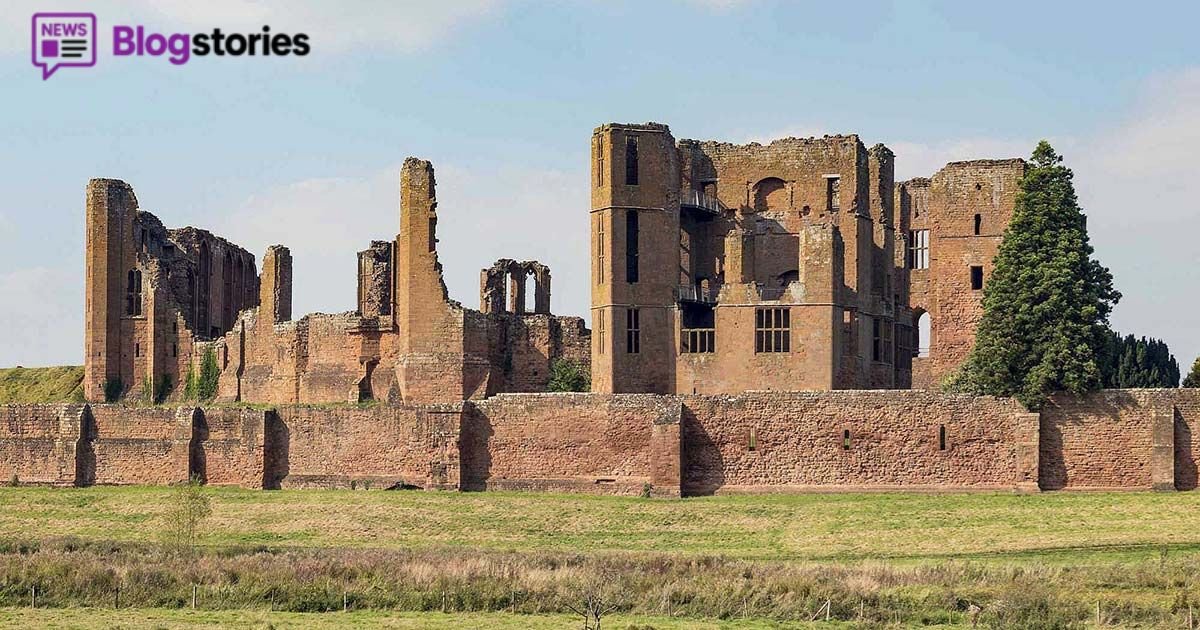
The Norman keep, often known as the Great Tower, remains one of the oldest surviving parts of the castle. Its thick walls and elevated position provided strong protection against attackers.
Later additions introduced more comfortable living spaces. Large windows, elegant chambers, and decorative features reflected growing interest in comfort and prestige.
The castle became a fascinating blend of fortress and palace. Few historic sites illustrate this transition as clearly as Kenilworth.
Architectural historians often view the castle as an important example of how English noble residences evolved during the medieval and Tudor periods.
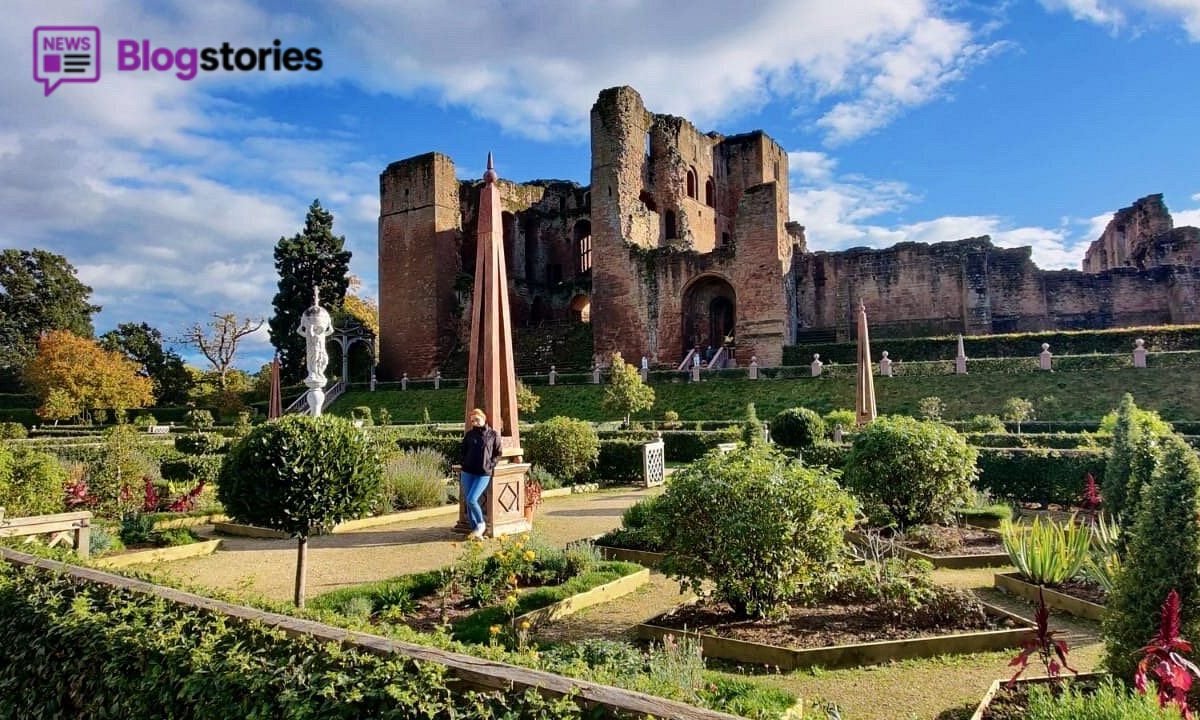
The Magnificent Gardens
The gardens at Kenilworth Castle also contributed to its reputation.
During the reign of Elizabeth I, Robert Dudley developed elaborate gardens that reflected the latest European trends. These landscapes featured terraces, decorative pathways, fountains, and carefully arranged planting schemes.
Gardens during the Tudor era served as symbols of sophistication and status. They demonstrated wealth while providing attractive spaces for entertainment and relaxation.
Modern restoration efforts have recreated parts of these historic gardens based on surviving records and archaeological evidence.
Visitors can now experience a glimpse of the beauty that once captivated Elizabeth and her court.
These gardens add another layer to the castle’s historical significance and charm.
The English Civil War and Decline
Like many historic castles, Kenilworth eventually faced decline.
During the English Civil War in the 17th century, castles once again became important military assets. After Parliament gained control of Kenilworth Castle, measures were taken to prevent it from being used as a fortress in the future.
Parts of the castle were deliberately damaged in a process known as slighting. Walls were weakened, defensive structures were dismantled, and sections of the complex fell into ruin.
Over time, nature reclaimed many areas of the site.
Despite this decline, the castle’s dramatic appearance attracted admiration from artists, writers, and travelers. Its ruined walls created a romantic atmosphere that inspired generations of visitors.
Rather than disappearing from history, Kenilworth entered a new chapter as a cherished historic landmark.
Influence on Literature and Culture
The legacy of Kenilworth Castle extends beyond politics and warfare.
Its dramatic history inspired numerous writers and artists. One of the most notable examples is Sir Walter Scott’s novel “Kenilworth,” published in the 19th century.
The novel helped introduce the castle’s story to a wider audience and contributed to growing public interest in Britain’s medieval heritage.
Painters frequently depicted the ruins, capturing their beauty and historical significance.
The castle also became part of the broader Romantic movement, which celebrated historic ruins and the passage of time.
Through literature and art, Kenilworth gained an enduring place in British cultural memory.
Preservation and Modern Importance
Today, Kenilworth Castle is preserved as one of England’s most important historic sites.
Conservation efforts ensure that future generations can continue exploring its remarkable history. Archaeologists, historians, and preservation specialists work to protect the castle’s structures and uncover new insights into its past.
Educational programs, exhibitions, and guided tours help visitors understand the significance of the site.
The castle provides valuable opportunities to learn about medieval warfare, Tudor politics, royal life, and architectural development.
Its preservation reflects the importance of protecting historical landmarks that connect modern society with its past.
Why Visitors Still Love Kenilworth Castle
Every year, thousands of people visit the castle to experience its unique atmosphere.
Some are drawn by its royal connections. Others come to learn about medieval history or admire its impressive ruins.
Families enjoy exploring the grounds, while photographers appreciate the stunning views and historic architecture.
The combination of military history, royal intrigue, architectural beauty, and cultural significance makes the castle appealing to a wide audience.
Few historic sites offer such a rich and varied story.
Whether someone is interested in kings and queens, battles and politics, or architecture and gardens, Kenilworth Castle provides an unforgettable experience.
Conclusion
Kenilworth Castle is famous because it brings together many of the most fascinating elements of British history. From its Norman origins and the longest siege in English history to its connection with Queen Elizabeth I and Robert Dudley, the castle has witnessed events that shaped the nation.
Its impressive architecture, beautiful gardens, royal associations, and dramatic ruins continue to capture the imagination of visitors centuries after its decline.
More than just an ancient fortress, Kenilworth Castle stands as a symbol of England’s rich historical heritage. Its story reflects the struggles, ambitions, and achievements of generations who helped shape Britain. That enduring legacy is why Kenilworth Castle remains one of the most celebrated historic landmarks in the country today.
FAQs
What is Kenilworth Castle famous for?
Kenilworth Castle is famous for its royal connections, the longest siege in English history, and the grand visit of Queen Elizabeth I in 1575.
How old is Kenilworth Castle?
Kenilworth Castle dates back to the early 12th century. It has stood for more than 900 years and remains one of England’s most important historic sites.
Why did Queen Elizabeth I visit Kenilworth Castle?
Queen Elizabeth I visited Kenilworth Castle as a guest of Robert Dudley, Earl of Leicester. Her nineteen-day stay became one of the most celebrated royal visits in Tudor history.
What happened to Kenilworth Castle during the English Civil War?
During the English Civil War, parts of the castle were deliberately damaged to prevent future military use. This led to the impressive ruins visitors see today.
Can visitors explore Kenilworth Castle today?
Yes, visitors can explore the castle ruins, historic gardens, towers, and exhibitions while learning about its rich medieval and Tudor history.