





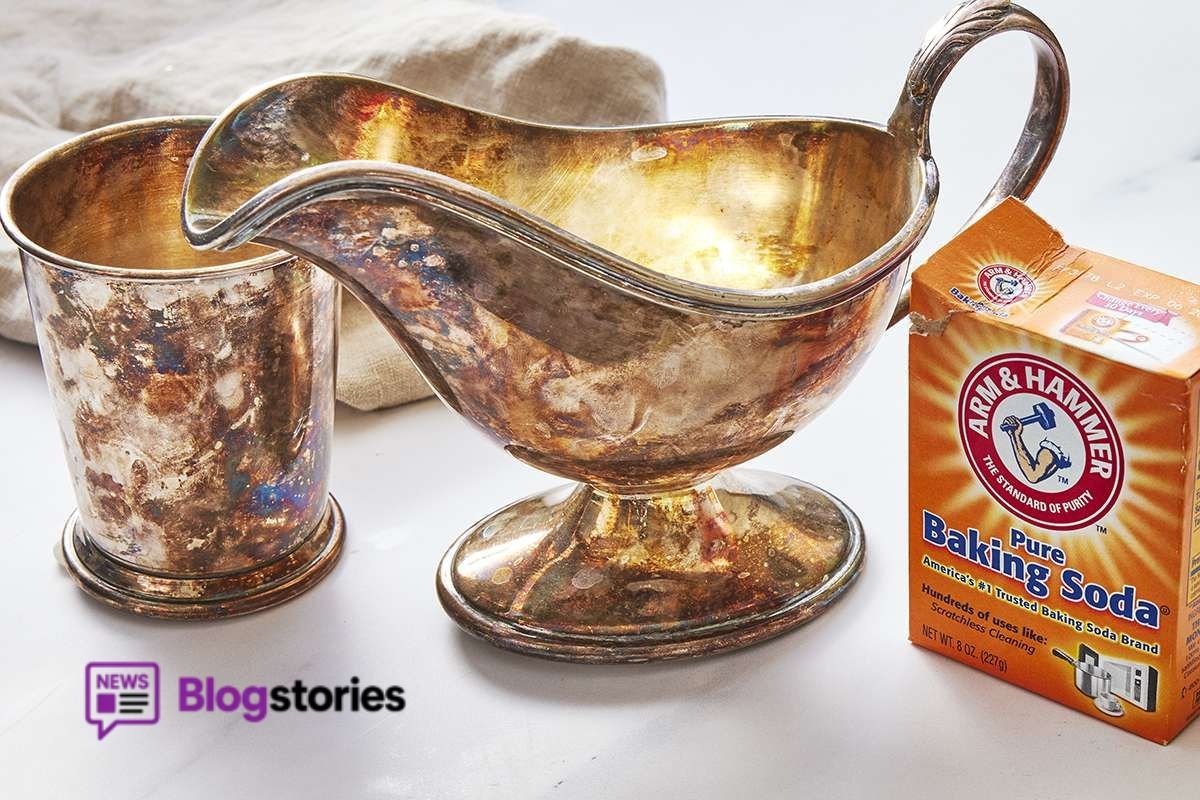
How to Clean Silver Naturally with Household Items (No Harsh Chemicals)
Keeping your silver sparkling and brilliant doesn’t have to involve expensive, harsh commercial cleaners. Everyday household items can restore shine to silver without damaging the metal or exposing you to strong chemicals. In this guide we’ll explain why silver tarnishes, how natural cleaning works, and share proven, safe methods to bring back that gleam using items you likely already own.
BIO
| Label | Information |
|---|---|
| Article Title | How to Clean Silver Naturally with Household Items |
| Main Keyword | How to Clean Silver |
| Purpose | To provide natural, safe methods for cleaning silver |
| Target Audience | Homeowners, jewelry lovers, eco-conscious individuals |
| Cleaning Methods | Baking soda, vinegar, lemon juice, toothpaste |
| Key Features | Easy, eco-friendly, non-toxic, cost-effective |
| Time Required | 5 to 30 minutes depending on the method |
| Materials Needed | Household items like vinegar, salt, and baking soda |
| Difficulty Level | Easy, no special skills required |
| Benefits | Non-toxic, safe for silver, gentle on the environment |
| Best For | Silverware, jewelry, and other silver accessories |
| Frequency of Cleaning | Once every few months or as needed |
| Preventative Tips | Store in airtight bags, wipe after use |
Why Silver Tarnishes
Silver tarnish is a natural chemical reaction that happens over time. When silver reacts with sulfur compounds in the air, it forms a dark layer known as silver sulfide on the surface. This film dulls the shine and gives silver pieces a cloudy or blackened appearance. Factors like humidity, exposure to air pollutants, skin oils, and certain foods can speed up this process. (Golden State Mint)
Tarnish doesn’t ruin silver’s structure — it only affects its appearance. With the right cleaning method, you can safely reverse this coating and restore your silver’s original beauty.
Benefits of Natural Silver Cleaning
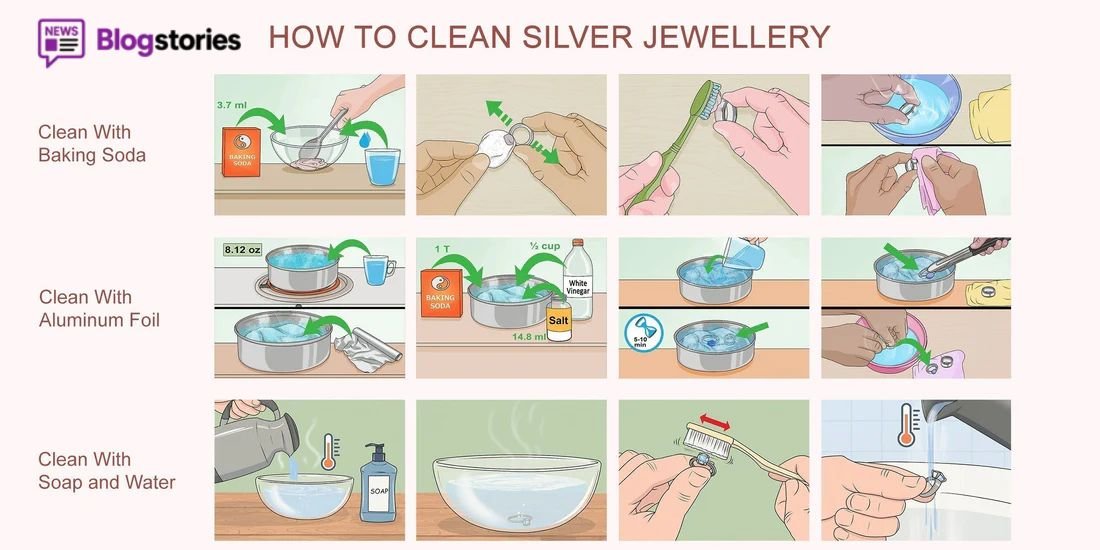
Choosing natural cleaning methods over chemical-based products offers several advantages:
- Gentle on the metal: Household ingredients are less likely to scratch or harm silver’s surface, especially delicate or older pieces.
- Safer for health and environment: Avoid harsh fumes and chemical residues that can come with some store-bought polishes.
- Budget-friendly: You likely already have the ingredients at home, making this an inexpensive option.
- Easy and effective: Many natural methods work quickly and with minimal effort.
Best Household Ingredients for Cleaning Silver
Here’s a list of effective items from your pantry that help remove tarnish:
- Baking soda – A mild abrasive that lifts tarnish without scratching.
- Aluminum foil – Helps trigger a chemical reaction that pulls tarnish off silver.
- White vinegar – Its mild acidity helps dissolve tarnish buildup.
- Salt – Works with other ingredients to break down discoloration.
- Lemon juice – Natural acidity combined with salt can cut through light tarnish.
- Toothpaste (non-gel) – A gentle polish for lightly tarnished items.
All these methods use simple chemistry, and when applied correctly, they can restore shine without costly products.
Method 1: Aluminum Foil and Baking Soda Soak
This is one of the most popular and reliable natural solutions. It works through a harmless electrochemical reaction that transfers tarnish from the silver to the foil.
What You Need:
- A container or baking dish
- Aluminum foil
- Boiling water
- Baking soda
- A soft cloth
Instructions:
- Line the bottom of your container with aluminum foil, shiny side up.
- Place the tarnished silver pieces on the foil.
- Sprinkle a generous amount of baking soda over the items.
- Carefully pour in boiling water until everything is submerged.
- Let it sit for a few minutes — you’ll see the tarnish dissipate.
- Remove the silver, rinse with cool water, and buff dry with a soft cloth.
This method is gentle yet powerful, ideal for silverware, jewelry, and other pieces with moderate tarnish.
Method 2: Vinegar and Baking Soda Soak
White vinegar adds acidic power to help dissolve tougher tarnish.
What You Need:
- White vinegar
- Baking soda
- A bowl large enough to hold your silver
Instructions:
- Mix 1/2 cup of vinegar with 2 tablespoons of baking soda.
- Place your silver in the solution, making sure it’s submerged.
- Let it soak for up to two hours.
- Rinse and dry with a soft cloth.
This method is great for tarnished silver jewelry and small items where the discoloration is more pronounced.
Method 3: Lemon Juice and Salt Scrub
For light tarnish or periodic polishing, this gentle scrub works very well.
What You Need:
- Fresh lemon juice
- Table salt
- A soft cloth
Instructions:
- Mix lemon juice with a small amount of salt to form a paste.
- Rub the paste gently onto the silver using circular motions.
- Rinse thoroughly and dry with a clean cloth.
The acidity in lemon combined with salt helps dissolve surface tarnish while leaving a fresh scent.
Method 4: Baking Soda Paste for Gentle Polishing
For focused cleaning — especially in crevices and intricate designs — a paste can be useful.
What You Need:
- Baking soda
- Water
- A soft brush or cloth
Instructions:
- Mix baking soda with just enough water to make a thick paste.
- Apply the paste to the silver item.
- Gently rub with a soft cloth or brush.
- Rinse and dry.
This method allows you to target stubborn spots without soaking the entire piece.
Method 5: Toothpaste for Quick Touch-Ups
If your silver has only light tarnish, everyday toothpaste can come to the rescue.
What You Need:
- Non-gel toothpaste
- Soft cloth
Instructions:
- Apply a small amount of toothpaste to the silver.
- Rub gently in circular motions.
- Rinse well and buff dry.
This approach is surprisingly effective for light tarnish and quick shine boosts.
Tips to Prevent Future Tarnishing
Cleaning silver is only part of the job. Preventing tarnish can save you time and keep your items looking great longer.
- Store silver properly: Keep pieces in airtight bags or wrapped in anti-tarnish cloth to limit exposure to air and moisture.
- Avoid exposure to sulfur sources: Perfumes, lotions, and certain foods (like eggs or onions) can accelerate tarnishing.
- Wear jewelry regularly: Surprisingly, worn silver tarnishes more slowly than stored pieces because skin oils help act as a protective layer.
- Regular gentle cleaning: Wiping silver with a soft cloth after use prevents build-up and reduces the need for deep cleaning.
Understanding and controlling the environment around your silver can significantly extend the periods between cleanings.
Common Mistakes to Avoid
Even natural cleaning methods can go wrong if done improperly. Keep these points in mind:
- Don’t use abrasive tools: Steel wool or harsh brushes can scratch the surface.
- Avoid highly acidic or corrosive items: While lemon and vinegar work in moderation, prolonged exposure can damage surfaces if misused.
- Skip the dishwasher: Dishwashers use harsh detergents and high heat that can harm silver, causing discoloration or pitting. Hand cleaning is always safer.
Conclusion
Learning how to clean silver naturally is empowering — it saves money, avoids harsh chemicals, and respects the value and beauty of your cherished items. Whether you’re restoring antique heirlooms or refreshing everyday jewelry, these proven household methods deliver brilliant results.
With a bit of care and the right ingredients, you can keep your silver shining for years to come — naturally. Try these tips next time your silver begins to dull, and experience how effective simple, gentle solutions can be.
FAQs
1. How often should I clean my silver?
It’s ideal to clean silver once every few months to prevent heavy tarnishing. For items worn regularly, like jewelry, cleaning them every month or so can help maintain their shine.
2. Can I use toothpaste on all silver items?
Yes, toothpaste can be used on most silver items, but it’s best for light tarnish. Avoid using it on antique or delicate pieces with intricate designs, as it may cause damage.
3. Is aluminum foil necessary for cleaning silver?
No, aluminum foil is not strictly necessary, but it helps accelerate the tarnish removal process when combined with baking soda and boiling water. You can still clean silver effectively without it.
4. Will these natural cleaning methods damage my silver?
No, when used properly, these methods are gentle on silver and won’t cause harm. Just be sure not to over-scrub or leave the silver in solutions for too long.
5. How do I prevent tarnish from forming on silver?
Store silver in a dry, airtight container or anti-tarnish bag. Regular use and wiping with a soft cloth after wear can also help minimize tarnish buildup.
